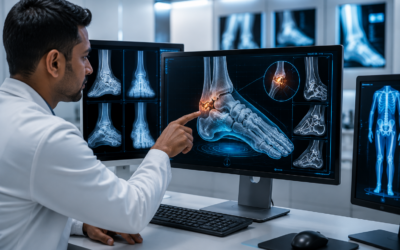
When we think about strong bones, the focus is often on calcium supplements, milk, or exercise. While these are important, what many people don’t realize is that everyday lifestyle habits can silently damage bone health over the years. Bones are living tissues — they constantly break down and rebuild. However, when destructive habits outweigh healthy ones, bone density decreases, increasing the risk of osteoporosis, fractures, chronic pain, and mobility issues.
Understanding what damages your bones is equally important as knowing what strengthens them. Let’s explore the most common lifestyle patterns that negatively affect bone health and what you can do to prevent long-term consequences.
- Skipping Sunlight and Vitamin D
Vitamin D is essential for calcium absorption. Without it, even a calcium-rich diet won’t benefit the bones. Modern indoor lifestyles, long working hours, and heavy use of sunscreen have caused widespread vitamin D deficiency — one of the biggest hidden risk factors for weak bones.
- Smoking — A Fast Track to Weak Bones
Cigarette smoke affects bone health in multiple ways:
- Reduces blood supply to bones
- Slows bone-forming cell activity
- Decreases calcium absorption
Long-term smokers are more likely to suffer fractures and experience delayed healing after injuries or surgery.
- Excessive Alcohol Consumption
Heavy alcohol intake interferes with the balance of calcium and hormones that maintain bone strength. It also increases the risk of falls — a major cause of fracture-related trauma.
- Sedentary Lifestyle and Lack of Exercise
Bones build strength when they are stressed through physical activity. Without regular movement, bones become weaker with time. People with desk-based jobs or minimal physical activity are more prone to low bone density, muscle weakness, joint stiffness, and increased fracture risk.
- Poor Eating Habits and Nutrient Deficiencies
Bones require more than just calcium. Nutrients such as vitamin D, magnesium, vitamin K and protein are essential for maintaining skeletal strength. Crash diets, skipping meals, and relying on highly processed foods deprive the body of essential vitamins and minerals, gradually weakening bones.
- High Salt Intake
Too much salt causes the body to lose calcium through urine — weakening bones over time. Processed snacks, fast food, packaged soups, and pickles are common sources of excess sodium.
- Excess Caffeine Consumption
Caffeine is safe in moderation, but large quantities of tea, coffee, energy drinks, and caffeinated sodas can interfere with calcium absorption and impact bone density.
- Ignoring Hormonal Health
Hormones play a key role in maintaining bone mass — especially estrogen in women and testosterone in men. Hormonal changes, particularly after menopause, significantly accelerate bone loss. Ignoring hormonal imbalance symptoms can worsen bone weakening.
- Chronic Stress and Poor Sleep
Long-term stress increases cortisol levels, which reduce bone formation. Poor sleep also slows the repair and strengthening of bones and muscles. Many people overlook the impact of mental health and sleep quality on physical health — including bone health.
How to Protect Your Bones — Simple and Practical Tips
Maintaining strong bones does not require drastic lifestyle changes — small, consistent steps make a huge difference. Aim for daily morning sunlight exposure to boost natural vitamin D. Combine this with a balanced diet rich in calcium, protein, and micronutrients from milk, eggs, nuts, seeds, vegetables, and fruits. Make weight-bearing exercises like walking, yoga, cycling, or strength training part of your routine at least 3–4 times a week to stimulate bone strengthening.
If you smoke, quitting is one of the most effective ways to preserve bone mass. Limit alcohol and caffeine, as both interfere with calcium balance. Pay attention to hormonal health, especially after age 40, and get periodic bone density checks if you are at risk. Finally, prioritize sleep, adequate rest, and stress management, because healing and bone formation largely happen when the body is relaxed and well-rested.
Conclusion
For expert bone and joint care in Pune, Dr. Ashish Suryawanshi’s clinic offers comprehensive evaluation and advanced orthopaedic treatment tailored to every patient’s needs. With modern surgical expertise and a precision-driven approach, the clinic is dedicated to helping individuals restore mobility, improve bone health, and achieve long-term comfort and confidence in their daily activities.
Recent Posts
-
 Walking by Dinner: The Shocking Reality of Same-Day Joint Replacement in 2026
 -
 AI-Driven Diagnostics: How Dr. Suryawanshi Spots Micro-Fractures That Traditional X-Rays Miss
 -
Robotic vs. Traditional: Is the Extra Cost Worth It for Your 20-Year Joint Longevity?
-
 Beyond the Scalpel: Why Smaller Incisions in Robotic Surgery Lead to “Bounce-Back” Recovery
 -
 Smart Implants 2026: The Artificial Joints That “Talk” to Your Phone During Recovery.