Road accidents are one of the leading causes of traumatic injuries worldwide. In India alone, thousands of individuals are injured every day due to road traffic collisions — ranging from mild sprains to complex fractures, dislocations, and multi-organ trauma. While every injury after an accident is serious, orthopaedic injuries are among the most common because bones, joints, and muscles absorb the major impact during a crash.
Unlike normal fractures caused by slips or falls, road accident trauma is often high-energy and can involve multiple bones, soft tissue damage, blood loss, and sometimes life-threatening complications. In these critical situations, the expertise of an orthopaedic specialist becomes crucial not only for saving the limb but also for restoring long-term function and mobility.
Common Orthopaedic Injuries After Road Accidents
Accidents can lead to a wide range of musculoskeletal injuries:
- Complex and multiple fractures (legs, arms, ribs, pelvis)
- Dislocations of the shoulder, hip, knee, or elbow
- Spinal fractures and spinal cord injuries
- Bone loss and crushed bones
- Ligament, tendon, and muscle tears
- Open fractures with exposed bone
Many of these injuries require immediate stabilization to prevent deformities, blood loss, infection, or permanent disability.
Why Orthopaedic Specialists Are Critical in Trauma Care
Orthopaedic trauma care involves much more than simply “fixing broken bones.” The specialist’s decisions in the first few hours can significantly impact the patient’s quality of life for years.
- Accurate Diagnosis and Prioritization
Trauma cases often involve multiple injuries, but not all are immediately visible. Orthopaedic surgeons help identify:
- Internal fractures
- Joint instability
- Soft tissue injuries
- Vascular and nerve damage
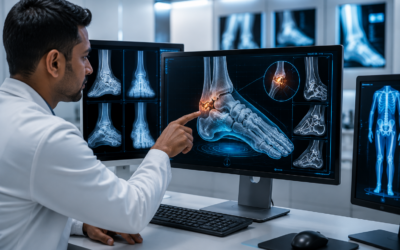
Advanced imaging such as X-ray, CT scan, and MRI allows accurate treatment planning.
- Stabilization of Fractures
Temporary stabilization is done initially using splints or external fixators to:
- Reduce pain
- Stop internal bleeding
- Prevent further tissue damage
Once the patient is medically stable, definitive surgery is performed for bone alignment and fixation.
- Surgical Reconstruction
Depending on the injury, different techniques are used:
- Plates and screws
- Intramedullary nailing
- External fixation
- Joint reconstruction
- Bone grafting
- Ligament and tendon repair
Specialists must plan these surgeries precisely to restore mobility, strength, and joint alignment.
- Infection and Soft Tissue Management
In open fractures, bacteria can easily enter the wound. Orthopaedic trauma surgeons work to:
- Clean contaminated wounds
- Remove dead tissue
- Prevent infection
- Preserve as much healthy muscle and skin as possible
This step is critical to avoid amputation and promote healing.
- Preventing Long-Term Disability
Without proper early management, accident injuries can lead to:
- Limb deformity
- Shortening of limbs
- Joint stiffness
- Chronic pain
- Restricted mobility
Orthopaedic specialists ensure precise alignment and functional restoration to avoid these outcomes.
Rehabilitation and Recovery — A Key Part of Trauma Care
Treatment does not end after surgery. The recovery phase plays a major role in regaining strength, mobility, and confidence. Orthopaedic specialists guide:
- Physiotherapy
- Weight-bearing protocols
- Exercises for muscle rebuilding
- Pain management
- Lifestyle modifications
Personalized rehabilitation plans help patients return to daily life, sports, or work as safely and quickly as possible.
Polytrauma — When Every Second Matters
Some patients suffer polytrauma, meaning multiple injuries to different systems:
- Head trauma
- Chest injury
- Abdominal injury
- Multiple fractures
Orthopaedic specialists collaborate with emergency medicine, neurosurgeons, general surgeons, and critical care teams to decide which injuries to treat first. This coordinated effort can be life-saving.
When to Seek an Orthopaedic Trauma Surgeon After an Accident
You should consult an orthopaedic trauma specialist immediately if you notice:
- Visible bone or deformity
- Severe swelling and inability to move a limb
- Uncontrolled pain after a fall or accident
- Numbness or loss of sensation in arms or legs
- Spinal pain after trauma
- Difficulty walking or bearing weight
Early medical care can prevent lifelong complications.
Final Thoughts
Road accident trauma can be physically and emotionally overwhelming, both for the patient and the family. In these challenging times, orthopaedic specialists play a vital role — not only in emergency life-saving interventions but also in long-term rehabilitation and restoring quality of life. From stabilizing fractures to advanced reconstructive surgeries, their expertise helps patients regain mobility, independence, and confidence.
Recent Posts
-
 Walking by Dinner: The Shocking Reality of Same-Day Joint Replacement in 2026
 -
 AI-Driven Diagnostics: How Dr. Suryawanshi Spots Micro-Fractures That Traditional X-Rays Miss
 -
Robotic vs. Traditional: Is the Extra Cost Worth It for Your 20-Year Joint Longevity?
-
 Beyond the Scalpel: Why Smaller Incisions in Robotic Surgery Lead to “Bounce-Back” Recovery
 -
 Smart Implants 2026: The Artificial Joints That “Talk” to Your Phone During Recovery.