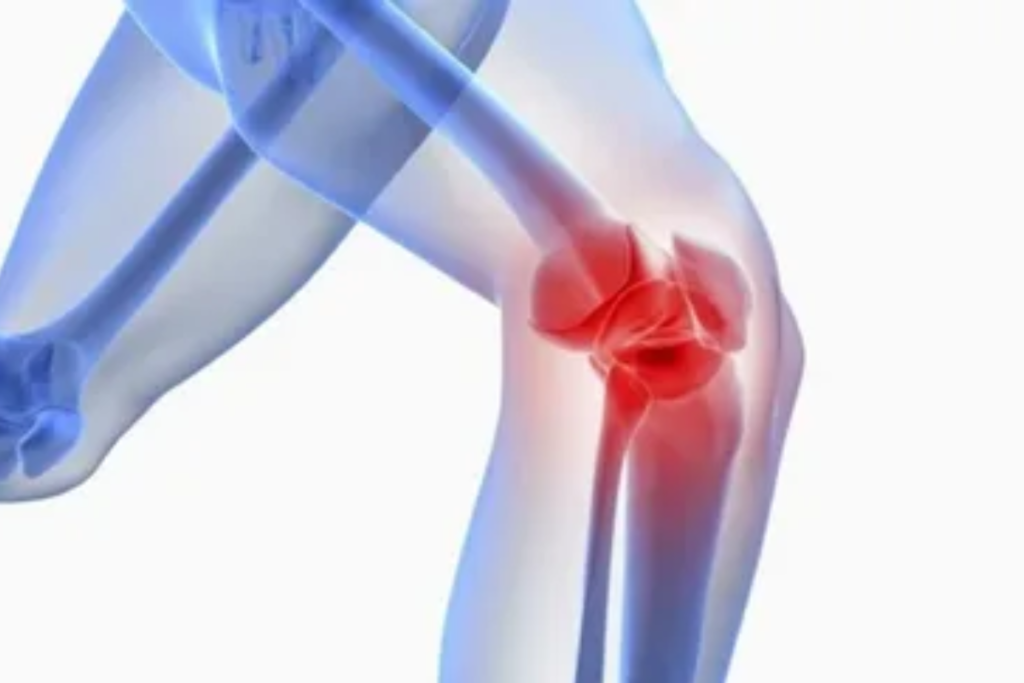
Joint replacement surgery has traditionally been associated with older adults suffering from advanced arthritis or joint deterioration. However, in recent years, an increasing number of younger patients — often in their 40s and 50s — are choosing joint replacement surgery to restore mobility and lead pain-free, active lives.
This shift is largely due to advancements in surgical methods, implant technology, and minimally invasive techniques, which have made joint replacement procedures more reliable, durable, and suitable for younger patients. Many individuals are now seeking treatment at advanced orthopaedic centers in Pune to maintain their active lifestyles despite chronic joint pain.
Why Younger Patients Need Joint Replacement
Younger patients may require joint replacement surgery for several reasons beyond age-related wear and tear, such as:
- Post-traumatic arthritis from previous injuries
- Congenital joint deformities or abnormalities
- Avascular necrosis caused by bone collapse
- Rheumatoid arthritis or other inflammatory joint diseases
- High-impact sports or repetitive lifestyle injuries
While pain relief is a primary goal, younger patients often prioritize long-term joint performance and the ability to continue an active lifestyle.
Current Advances That Benefit Younger Patients
Technological innovations have significantly improved joint replacement outcomes in younger adults. Some of the most impactful developments include:
1. High-Performance Implants
Modern implants are made from advanced materials like ceramic, titanium, and high-performance polyethylene. These materials offer superior wear resistance and can last 20–25 years or more, making them ideal for younger, more active patients.
2. Minimally Invasive Surgical Techniques
Smaller incisions and reduced tissue trauma result in faster recovery, less postoperative pain, and earlier rehabilitation—key factors for active adults seeking to return to normal routines quickly.
3. Computer-Navigated and Robotic-Assisted Surgery
Robotic and computer-assisted systems enable surgeons to position implants with exceptional precision, improving alignment and reducing the risk of early wear or the need for revision surgery.
4. Enhanced Rehabilitation Protocols
Personalized physiotherapy programs, early mobility exercises, and targeted muscle strengthening help younger patients regain flexibility and stability more quickly.
Expected Results for Younger Patients
When performed by an experienced orthopaedic surgeon, joint replacement can deliver excellent outcomes, including:
- Long-term pain relief
- Improved joint stability and strength
- Restored mobility and daily function
- Safe participation in low-impact sports
Most younger patients experience a significant improvement in quality of life, enabling them to work, exercise, and travel without pain. However, maintaining these results depends on proper post-surgical care and responsible lifestyle management.
Challenges and Considerations
While the results are typically excellent, there are unique challenges to joint replacement in younger patients:
1. Implant Longevity
Even with advanced materials, active younger patients put more stress on their joints, which may cause faster wear over time.
2. Risk of Revision Surgery
Given their longer life expectancy and higher activity levels, younger patients may require revision surgery later in life.
3. Lifestyle Adjustments
To extend implant life, patients should avoid high-impact sports like running or jumping and instead focus on low-impact activities such as swimming, cycling, or yoga.
4. Realistic Expectations
Understanding that even the best implants have physical limits helps patients set realistic goals for post-surgery mobility and activity.
Who Is a Good Candidate for Early Joint Replacement?
A younger patient may be a suitable candidate if they:
- Experience severe pain or stiffness that restricts mobility
- Have not improved with conservative treatments like medications or physiotherapy
- Show significant joint damage on imaging tests
- Are committed to maintaining a healthy lifestyle and body weight post-surgery
A thorough evaluation by an orthopaedic specialist in Pune can determine whether joint replacement or a joint-sparing alternative is most appropriate.
Conclusion
Joint replacement surgery can be life-changing for younger patients struggling with chronic joint pain. It restores movement, relieves discomfort, and enhances overall quality of life. However, long-term success requires commitment to post-operative care, lifestyle modifications, and regular medical follow-ups.
For advanced joint replacement solutions in Pune, visit Dr. Ashish Suryawanshi’s clinic, where personalized evaluation and state-of-the-art surgical expertise ensure the best possible results for every patient.
Address: Lokmanya Hospital, Sector No. 24, Pradhikaran, Nigdi, Pimpri-Chinchwad, Maharashtra 411044
Expert treatment, cutting-edge technology, and long-term joint care solutions for lasting mobility and confidence
Recent Posts
-
 Walking by Dinner: The Shocking Reality of Same-Day Joint Replacement in 2026
 -
 AI-Driven Diagnostics: How Dr. Suryawanshi Spots Micro-Fractures That Traditional X-Rays Miss
 -
Robotic vs. Traditional: Is the Extra Cost Worth It for Your 20-Year Joint Longevity?
-
 Beyond the Scalpel: Why Smaller Incisions in Robotic Surgery Lead to “Bounce-Back” Recovery
 -
 Smart Implants 2026: The Artificial Joints That “Talk” to Your Phone During Recovery.