Introduction
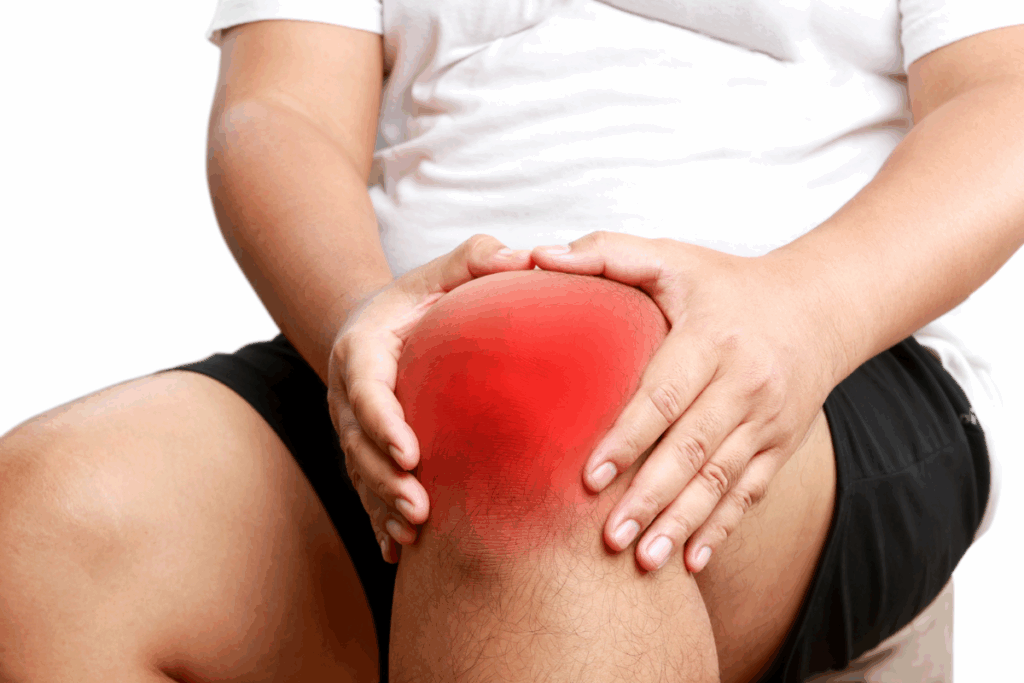
Whenever we consider weight gain, we tend to think of diseases such as diabetes, heart disease, or high blood pressure. However, did you realize that each extra kilo you carry will put additional wear and tear on your joints, particularly your knees, hips, and lower back? This hidden load may set off or aggravate arthritis and accelerate joint deterioration, as well as slow down movement with age.
In this post, let’s dissect the actual link between weight and joint health, and what you can do to safeguard your bones before it’s too late.
The Science: How Excess Weight Impacts Your Joints
Your joints are created to bear your body weight, cushion shocks, and enable smooth motion. But when you’re overweight or obese, two key things occur:
- Increased Mechanical Load
- For each 1 kg of body weight, your knees bear 4 times that amount of pressure when walking.
- That’s a mere 5 kg of additional weight, adding almost 20 kg of stress to your knees per step!
- Inflammation due to Fat Tissue
- Fat is not passive; it’s an active tissue that secretes inflammatory chemicals (such as cytokines).
- They exacerbate joint inflammation and promote cartilage breakdown, contributing to or worsening osteoarthritis.
Obesity-Linked Joint Problems
The following are the most frequently affected joints and conditions:
- Knees: Most susceptible owing to weight-bearing and mobility function. Results in premature knee osteoarthritis, stair climbing pain, or cross-legged sitting.
- Hips: The second, obesity, can double the risk of hip replacement.
- Lower Back: Excess abdominal fat changes posture, twists spinal discs, and causes chronic lower back pain.
- Feet & Ankles: Flat feet, plantar fasciitis, and ankle arthritis are prevalent with a chronic overweight status.
The Vicious Cycle: Pain, Inactivity & More Weight
Joint pain tends to discourage people from exercising, which in turn results in additional weight gain and subsequent pain. It is critical to break this cycle to regain mobility without surgery.
How Weight Loss Improves Joint Health
The good news? Modest weight loss has tremendous benefits:
- Lose 5 kg → Lower knee pressure by 20 kg per step
- Decreased inflammation due to lower fat mass reduces symptoms of arthritis
- Enhances flexibility, posture, and muscle strength, thereby decreasing injuries
Simple Tips to Save Your Joints by Managing Your Weight
- Low-Impact Exercise: Begin with swimming, cycling, or brisk walking to exercise without overloading your joints.
- Strength Training: Build muscles around your joints—quadriceps and glutes in particular—to lighten the load.
- Anti-Inflammatory Diet: Add foods such as leafy greens, berries, turmeric, and omega-3s. No extra sugar and processed foods.
- Monitor Your Improvement: Monitor weight, pain levels, and mobility gains through apps or a journal.
- See an Orthopedic Specialist Early: Don’t wait for the pain to intensify. Get a tailored joint health evaluation and preventive care plan.
When to Consult an Expert
If you are having mobility issues due to weight and joint pain, a detailed assessment can bring the change you need. At Dr. Ashish Suryawanshi’s clinic in Pune, we provide:
- State-of-the-art imaging
- Customized weight-to-joint risk assessments
- Surgical as well as non-surgical treatments
- Post-treatment rehabilitation counseling for long-term relief
Conclusion
Obesity is not merely a matter of appearance it has a direct impact on your joint health and overall quality of life. The earlier you address it, the more likely you are to avoid permanent damage. Whether you’re beginning your weight loss process or already suffer from joint pain, the proper advice can enable you to walk pain-free once more.
For expert orthopedic care, consult Dr. Ashish Suryawanshi, a highly experienced Orthopedic Surgeon specializing in fracture management, trauma care, and advanced joint solutions. Practicing at clinics in Nigdi and Thergaon, Pune, Dr. Suryawanshi offers accurate diagnosis and personalized treatment plans for patients across all age groups. His skilled and compassionate approach ensures a faster recovery, improved mobility, and long-term joint health, helping you return to a pain-free, active life.
Recent Posts
-
 Walking by Dinner: The Shocking Reality of Same-Day Joint Replacement in 2026
 -
 AI-Driven Diagnostics: How Dr. Suryawanshi Spots Micro-Fractures That Traditional X-Rays Miss
 -
Robotic vs. Traditional: Is the Extra Cost Worth It for Your 20-Year Joint Longevity?
-
 Beyond the Scalpel: Why Smaller Incisions in Robotic Surgery Lead to “Bounce-Back” Recovery
 -
 Smart Implants 2026: The Artificial Joints That “Talk” to Your Phone During Recovery.