
The field of orthopaedic surgery has witnessed remarkable advancements over the past two decades, with minimally invasive techniques revolutionizing how joint, bone, and ligament conditions are treated. These modern approaches offer higher precision, quicker recovery, and improved outcomes compared to traditional open surgeries.
At Dr. Ashish Suryawanshi’s clinic in Pune, cutting-edge minimally invasive orthopaedic surgeries are performed using advanced technology, helping patients return to their normal routines faster while minimizing pain and downtime.
What Is Minimally Invasive Orthopaedic Surgery?
Minimally invasive orthopaedic surgery (MIOS) involves performing surgical procedures through small incisions instead of large cuts. Specialized instruments and high-definition cameras are used to visualize and operate within the joint or bone with remarkable accuracy.
Common orthopaedic surgeries that can be performed using minimally invasive methods include:
- Knee and hip replacement
- Arthroscopic ligament reconstruction (ACL, PCL)
- Fracture fixation
- Spinal decompression and fusion
These surgeries aim to achieve the same results as traditional surgery—restoring mobility, stability, and function—while reducing tissue damage and surgical trauma.
Advantages of Minimally Invasive Orthopaedic Surgery
1. Smaller Incisions and Less Scarring
Unlike conventional open surgery that requires large incisions, minimally invasive procedures use smaller cuts, often just a few centimeters long. This results in minimal scarring and better cosmetic outcomes.
2. Reduced Blood Loss and Pain
By preserving the muscles and soft tissues around the surgical site, MIOS significantly reduces intraoperative bleeding and postoperative pain. Patients typically need less pain medication and experience faster wound healing.
3. Shorter Hospital Stay
Many minimally invasive procedures can be performed as day-care surgeries, allowing patients to go home the same day or after a short hospital stay. This is especially beneficial for elderly patients or those with medical conditions.
4. Faster Recovery and Rehabilitation
With less tissue disruption, patients can begin physiotherapy sooner. Early rehabilitation accelerates functional recovery and allows a quicker return to daily activities or sports.
5. Lower Risk of Infection
Smaller incisions and reduced exposure during surgery decrease the risk of infection and other complications, enhancing overall safety.
Advanced Technologies Facilitating Minimally Invasive Surgery
Modern orthopaedic surgeries are powered by advanced technologies that improve accuracy and outcomes. Innovations such as robot-assisted surgery, computer-assisted navigation, and arthroscopy provide real-time imaging and data during procedures.
These tools help surgeons precisely align implants, balance ligaments, and ensure optimal outcomes — especially in joint replacement and ligament reconstruction.
At tertiary centers and top orthopaedic hospitals in Pune, these advancements have transformed patient experiences, leading to better comfort, confidence, and faster recovery.
Limitations of Minimally Invasive Surgery
While the benefits are substantial, minimally invasive surgery is not suitable for all patients or conditions.
1. Limited Surgical Access
Because of smaller incisions, visibility and access to deep structures may be restricted. These procedures demand specialized instruments and advanced surgical expertise.
2. Steep Learning Curve
Not all orthopaedic surgeons are trained in minimally invasive techniques. Success relies heavily on the surgeon’s skill, experience, and familiarity with these advanced procedures.
3. Higher Equipment Costs
MIOS often requires robotic systems, navigation technology, and specialized instruments, which can increase the overall cost of treatment.
4. Unsuitable for Severe Cases
Patients with severe deformities, extensive bone loss, or advanced arthritis may benefit more from traditional open surgery to achieve optimal correction and stability.
Who Are Ideal Candidates for Minimally Invasive Surgery?
Minimally invasive orthopaedic surgery is best suited for:
- Patients with early to moderate joint damage
- Individuals needing ligament reconstruction
- Those seeking quicker recovery and shorter hospital stays
- Patients without severe deformities or significant medical comorbidities
A detailed clinical assessment and imaging help determine if minimally invasive surgery is appropriate for each individual case.
Conclusion
Minimally invasive orthopaedic surgery has redefined the management of bone and joint disorders. By reducing tissue trauma, pain, and recovery time, it serves as an excellent alternative to traditional surgery — when performed by an experienced orthopaedic surgeon. However, understanding its limitations ensures that patients make informed, realistic decisions about their care.
For expert consultation and advanced orthopaedic treatment, visit Dr. Ashish Suryawanshi’s clinic in Pune. With extensive experience in joint replacement, ligament reconstruction, and arthroscopic surgery, Dr. Suryawanshi offers customized minimally invasive solutions to restore movement and improve quality of life.
Address: Lokmanya Hospital, Sector No. 24, Pradhikaran, Nigdi, Pimpri-Chinchwad, Maharashtra 411044
Empowering movement, restoring mobility, and enhancing quality of life with advanced orthopaedic excellence.
Recent Posts
-
Robotic vs. Traditional: Is the Extra Cost Worth It for Your 20-Year Joint Longevity?
-
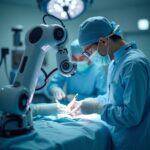 Beyond the Scalpel: Why Smaller Incisions in Robotic Surgery Lead to “Bounce-Back” Recovery
 -
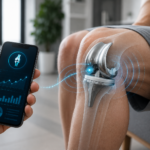 Smart Implants 2026: The Artificial Joints That “Talk” to Your Phone During Recovery.
 -
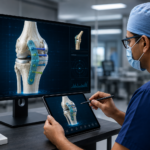 The “Digital Twin” Advantage: How Dr. Ashish Suryawanshi Uses 3D Mapping to Rehearse Your Surgery
 -
 Biohacking Your Posture: Can Smart Wearables Really Replace a Spine Specialist’s Advice?