Maintaining healthy bones, joints, and muscles is crucial for an active and fulfilling life. Your musculoskeletal system, encompassing bones, joints, ligaments, tendons, and muscles, underpins mobility and stability. Compromises to this system can lead to pain, discomfort, and a diminished quality of life. However, by adopting a conscious lifestyle and dietary adjustments, you can bolster your orthopedic health and mitigate the risk of injuries or chronic conditions such as arthritis, osteoporosis, and back Pain. For expert guidance, we turn to Dr. Ashish Suryawanshi, a leading orthopedic specialist in Pune, with clinics located in Nigdi and Thergaon.
1. Stay Active and Exercise Regularly
Consistent exercise is paramount for robust bones and joints. It enhances strength, flexibility, and joint mobility, thereby preventing injury. Low-impact activities like walking, swimming, and cycling are particularly beneficial for individuals with arthritis or joint pain, as they minimize stress on the joints.
Strengthening exercises that target surrounding muscles (e.g., legs, back, core) provide superior bone support and improve posture. Practices such as yoga and Pilates can further enhance flexibility and balance, reducing the likelihood of falls and fractures.
2. Maintain a Healthy Weight
Excess body weight places undue strain on your bones, especially on weight-bearing joints like the knees, hips, and lower back. Over time, this strain can result in joint degeneration, pain, and conditions such as osteoarthritis. Achieving and maintaining a healthy weight through a balanced diet and regular physical activity can significantly lower the risk of these orthopedic issues.
3. Prioritize Posture and Ergonomics
Poor posture and improper ergonomics are frequently overlooked contributors to orthopedic problems. Slouching or maintaining incorrect posture while sitting or standing can strain the spine, leading to back and neck pain. It’s crucial to sustain a neutral spine position and avoid slumping during prolonged sitting or standing.
If you spend considerable time at a desk, invest in ergonomic furniture that promotes good posture. An ergonomic chair with lumbar support, an adjustable desk, and a computer screen positioned at eye level can substantially alleviate strain on your spine.
4. Dietary Tips for Bone Health
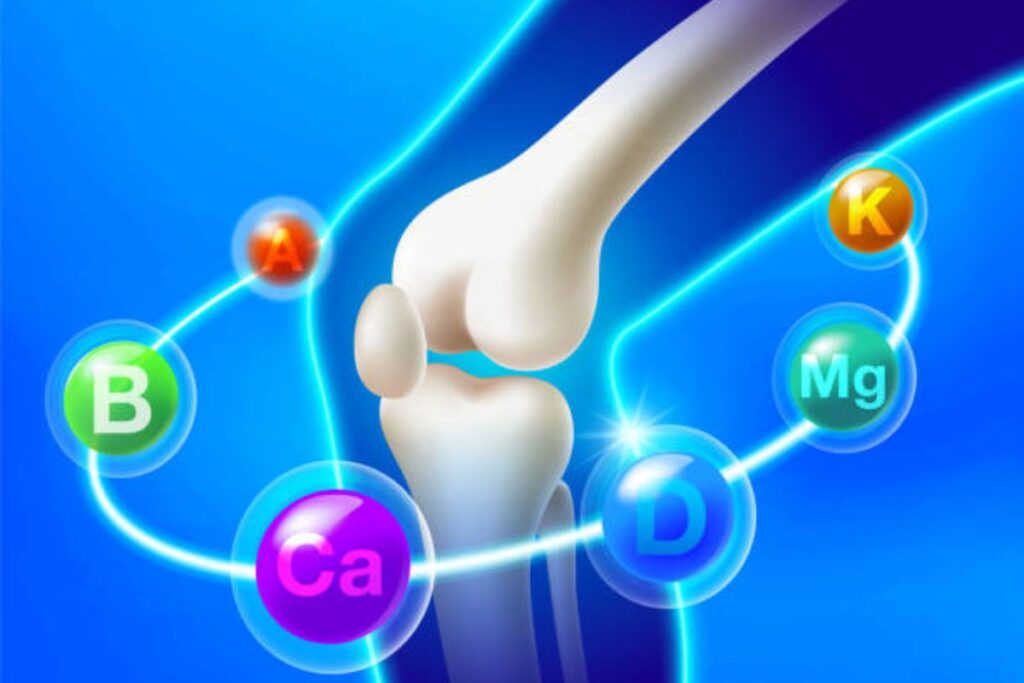
Your diet is pivotal in orthopedic health, particularly concerning bone density. Key nutrients for bone health and strength include calcium, vitamin D, and magnesium.
- Calcium: This vital mineral forms the foundation of bones and is essential for maintaining bone density. Excellent sources include dairy products (milk, cheese, yogurt), leafy green vegetables, almonds, and fortified plant-based milks.
- Vitamin D: Vitamin D facilitates calcium absorption, making adequate intake crucial. Natural sources include sunlight, while fortified foods like milk, orange juice, and cereals also provide it. Fatty fish such as salmon and mackerel are also rich in Vitamin D.
- Magnesium: Essential for bone formation, magnesium also helps regulate calcium levels. Increase your magnesium intake by incorporating nuts, seeds, whole grains, and leafy greens into your diet.
- Omega-3 Fatty Acids: Found in fish (e.g., salmon), walnuts, flaxseeds, and chia seeds, these healthy fats possess anti-inflammatory properties that can help reduce joint pain and stiffness.
- Protein: Sufficient protein intake is crucial for maintaining muscle strength and promoting bone repair. Lean meats, poultry, fish, eggs, and plant-based proteins like beans and lentils are excellent choices.
5. Stay Hydrated
Adequate hydration is critical for joint lubrication and cartilage health. Dehydration can lead to joint stiffness and increased friction, resulting in pain and discomfort. Ensure you drink ample water throughout the day to keep your joints hydrated and functioning optimally.
6. Avoid Smoking and Excessive Alcohol Consumption
Both smoking and excessive alcohol consumption can negatively impact bone health. Smoking reduces blood flow to the bones, impairing bone repair and increasing fracture risk. Excessive alcohol consumption can interfere with bone formation and lead to bone loss. Quitting smoking and moderating alcohol intake can significantly benefit your orthopedic health and overall well-being.
7. Regular Check-ups and Professional Care
Routine visits to an orthopedic specialist, such as Dr. Ashish Suryawanshi, can help monitor the condition of your bones, joints, and muscles. Early detection of issues like osteoarthritis, osteoporosis, or spinal problems can prevent further complications and allow for timely preventive measures.
Dr. Ashish Suryawanshi, recognized as one of Pune’s best orthopedic doctors, offers expert care for a wide range of musculoskeletal conditions. Whether you seek advice on managing joint pain, injury prevention, or post-surgical recovery, his clinics in Nigdi and Thergaon, Pune, provide high-quality care and personalized treatment plans.
Summary
Maintaining orthopedic health is fundamental for a pain-free and active lifestyle. By integrating regular exercise, maintaining a healthy weight, prioritizing good posture, and adhering to a bone-healthy diet, you can significantly reduce the risk of orthopedic problems. Furthermore, frequent consultations with an orthopedic specialist, like Dr. Ashish Suryawanshi in Nigdi and Thergaon, can further aid in managing and preventing musculoskeletal issues.
Recent Posts
-
 Walking by Dinner: The Shocking Reality of Same-Day Joint Replacement in 2026
 -
 AI-Driven Diagnostics: How Dr. Suryawanshi Spots Micro-Fractures That Traditional X-Rays Miss
 -
Robotic vs. Traditional: Is the Extra Cost Worth It for Your 20-Year Joint Longevity?
-
 Beyond the Scalpel: Why Smaller Incisions in Robotic Surgery Lead to “Bounce-Back” Recovery
 -
 Smart Implants 2026: The Artificial Joints That “Talk” to Your Phone During Recovery.