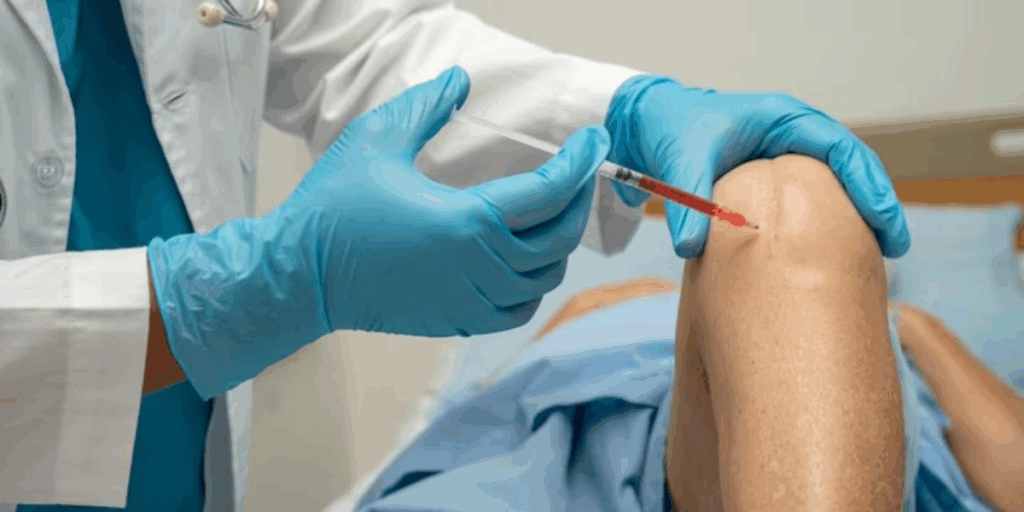
Joint replacement surgery has revolutionized the lives of millions afflicted by extreme arthritis and joint wear and tear. Historically, such surgeries involved extensive incisions, long hospitalizations, and extended recovery times. But with advances in technology and innovative surgical methods, minimally invasive joint replacement surgeries have changed the face of orthopedic care, providing patients with quicker recovery, less suffering, and better results.
In this article, we are going to look at what is involved in minimally invasive joint replacement surgery, recent developments in this area, and how patients today have more cause for optimism than ever before.
What Is Minimally Invasive Joint Replacement Surgery?
Minimally invasive joint replacement surgery (MIS) is methods whereby orthopedic surgeons replace injured joints—most often the hip or knee—via smaller incisions than conventional surgery. Whereas conventional joint replacement involves a 10 to 12-inch incision, MIS involves incisions most often between 3 to 6 inches, causing less trauma to soft tissues and muscles.
The major objectives of MIS are to minimize surgical trauma, minimize blood loss, minimize postoperative pain, and hasten rehabilitation and preserve or enhance the surgical result.
Why Are Minimally Invasive Techniques Important?
Degenerative joint disease caused by osteoarthritis, rheumatoid arthritis, or trauma can greatly compromise mobility and quality of life. Relief is afforded by joint replacement surgery by exchanging the diseased joint surfaces with prosthetic implants.
Minimally invasive techniques improve this process by:
Muscle damage reduction: Minimally invasive and muscle-sparing techniques preserve critical soft tissues.
Pain reduction: Minimal disruption of tissue translates to less pain after surgery.
Reduced hospital stays: Patients tend to have quicker recovery, so they can be discharged earlier.
Accelerated rehabilitation: Earlier return to activity and better joint motion.
Decreased risk of infection: Smaller wounds have less chance of surgical site infection.
Current Advances in Minimally Invasive Joint Replacement
1. Improved Surgical Techniques
Present-day MIS methods incorporate muscle-sparing methods such as:
Direct Anterior Approach (DAA) Hip Replacement: This method enters through the front of the hip joint, leaving muscles and tendons intact, leading to quicker recovery and reduced dislocation risk.
Quadriceps-Sparing Knee Replacement: Does not cut through the quadriceps tendon, maintaining muscle strength and accelerating rehabilitation.
2. Computer-Assisted Surgery (CAS)
Computer-assisted navigation and robotic assistance allow for accurate implant positioning, alignment, and sizing, which are essential for joint function and longevity. These technologies eliminate human error and enhance the accuracy of the surgery.
Robotic-arm Assisted Surgery: Surgeons utilize robotic systems that offer real-time feedback and assist in preparing the bone, enhancing precision without losing the advantages of MIS.
3. Patient-Specific Instrumentation (PSI)
With the use of preoperative imaging (CT or MRI scans), individualized surgical guides are designed to fit each patient’s own anatomy. This reduces the need for improper positioning and can decrease operative time.
4. Better Implant Materials and Designs
Biomaterial advancements, including highly cross-linked polyethylene and ceramic components, enhance implant durability and biocompatibility. Joints that replicate natural kinematics offer greater range of motion and comfort.
5. Better Pain Management Protocols
Multimodal pain control–such as regional nerve blocks, local infiltration anesthesia, and minimal use of opioids–augments MIS by reducing postoperative pain and enhancing early mobilization.
6. Fast-Track or Enhanced Recovery Protocols
Hospital protocols now involve preoperative education, optimal anesthesia, early physical therapy, and nutrition support, all directed at minimizing hospital stay and enhancing patient satisfaction.
Advantages for Patients
Patients with minimally invasive joint replacement surgery have:
Reduced blood loss and decreased rates of transfusion
Less postoperative pain and inflammation
Smaller scars and better cosmetic outcomes
Decreased length of stay, often same-day discharge
More rapid return to work and recreational activities
Fewer complication and infection rates
These benefits render MIS a desirable choice for appropriate candidates, such as elderly patients and those with comorbidities.
Are Minimally Invasive Techniques Appropriate for Everyone?
Though MIS has numerous advantages, it might not be suitable for every patient. Severe joint deformities, obesity, prior surgery, or complicated anatomy could require the conventional methods.
Proper assessment by a skillful orthopedic surgeon such as Dr. Ashish Suryawanshi in Nigdi, Pimpri-Chinchwad, Maharashtra, will identify the most effective surgical strategy specific to every patient’s condition.
Preparing for Minimally Invasive Joint Replacement Surgery
Optimal results rely on meticulous preoperative planning, including:
Extensive medical assessment and imaging
Optimization of preexisting health conditions (e.g., hypertension, diabetes)
Prehabilitation exercises to enhance muscle strength
Patient education on surgery and rehabilitation
Conclusion
Minimally invasive joint replacement surgery is a major advance in orthopedic treatment. By integrating smaller incisions, muscle-sparing, computer-guided accuracy, and contemporary implants, this technique provides patients with quicker recovery, less discomfort, and better joint function.
If you or your loved one are affected by crippling joint pain or arthritis, meet Dr. Ashish Suryawanshi, one of the best orthopedic surgeons who expertly performs minimally invasive joint replacement, trauma care, and joint preservation in Nigdi, Pimpri-Chinchwad, Maharashtra. With his skills and the most advanced surgeries, you can soon hope to regain mobility and enjoy a quality life.
Recent Posts
-
 Walking by Dinner: The Shocking Reality of Same-Day Joint Replacement in 2026
 -
 AI-Driven Diagnostics: How Dr. Suryawanshi Spots Micro-Fractures That Traditional X-Rays Miss
 -
Robotic vs. Traditional: Is the Extra Cost Worth It for Your 20-Year Joint Longevity?
-
 Beyond the Scalpel: Why Smaller Incisions in Robotic Surgery Lead to “Bounce-Back” Recovery
 -
 Smart Implants 2026: The Artificial Joints That “Talk” to Your Phone During Recovery.