How to Decide Between Joint Preservation and Joint Replacement

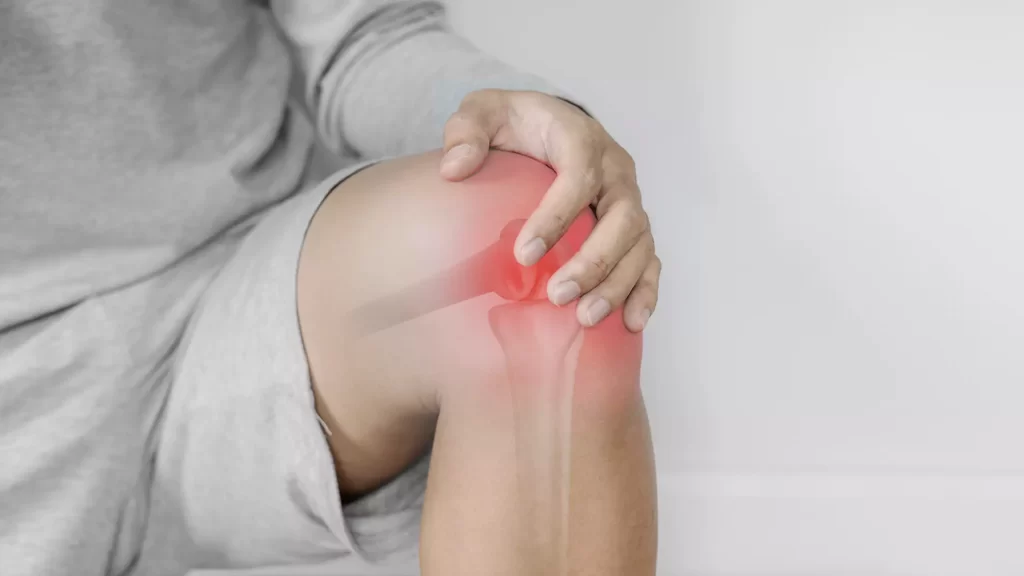
Joint pain and stiffness can significantly affect daily life, making simple activities like walking, climbing stairs, or even sitting uncomfortable. Conditions such as arthritis, sports injuries, or age-related wear and tear often lead patients to seek orthopedic care. One of the most common and important decisions patients face is choosing between joint preservation and joint replacement.

Understanding the difference between these two treatment approaches can help you make an informed decision that best suits your condition, lifestyle, and long-term health goals.


Understanding Joint Preservation

Joint preservation focuses on saving and restoring your natural joint rather than replacing it. This approach is usually recommended in the early to moderate stages of joint damage, especially when the joint structure is still largely intact.

Common Joint Preservation Treatments:

  • Physiotherapy and guided exercise programs
  • Medications to reduce pain and inflammation
  • Lifestyle modifications such as weight management
  • Injections (viscosupplementation or PRP)
  • Arthroscopic procedures to repair cartilage or ligaments

When Joint Preservation Is Suitable:

  • Mild to moderate arthritis
  • Sports or overuse injuries
  • Younger or active patients
  • Joint pain without severe deformity
  • Early cartilage damage

The main advantage of joint preservation is that it allows patients to maintain their natural joint movement while delaying or avoiding major surgery. It is often less invasive and involves shorter recovery periods.


Understanding Joint Replacement

Joint replacement surgery involves removing the damaged joint surface and replacing it with an artificial implant. It is typically recommended when joint damage is severe and conservative treatments no longer provide relief.

Common Joint Replacement Procedures:

  • Knee replacement
  • Hip replacement
  • Partial joint replacement

When Joint Replacement Is Necessary:

  • Advanced arthritis with cartilage loss
  • Severe joint pain affecting daily activities
  • Limited mobility or joint deformity
  • Failure of non-surgical treatments
  • Persistent pain even at rest

Joint replacement surgery can significantly reduce pain, improve mobility, and enhance quality of life. Modern implants are designed to last many years, making this option highly effective for patients with advanced joint disease.


Key Factors to Consider Before Deciding

Choosing between joint preservation and joint replacement depends on several important factors. An experienced orthopedic surgeon evaluates these aspects carefully before recommending the best option.

  1. Severity of Joint Damage

Early-stage damage often responds well to preservation treatments, while advanced degeneration usually requires replacement.

  1. Age and Activity Level

Younger, physically active patients are often encouraged to preserve their joints for as long as possible. Older patients with reduced activity levels may benefit more from joint replacement.

  1. Pain and Functional Limitation

If pain is manageable and movement is still possible, joint preservation may be suitable. Severe pain that limits everyday activities often points toward replacement.

  1. Overall Health and Lifestyle

Medical conditions, weight, and daily routine play a role in determining surgical outcomes and recovery.

  1. Long-Term Goals

Some patients prefer to delay surgery, while others prioritize immediate pain relief and improved mobility.


Why Expert Orthopedic Guidance Matters

Making the right decision requires more than just imaging reports. A thorough clinical evaluation, understanding of your symptoms, and discussion of expectations are essential. An experienced orthopedic surgeon can guide you through the pros and cons of each option and tailor treatment to your specific needs.


Conclusion

Deciding between joint preservation and joint replacement is a crucial step toward restoring comfort, mobility, and quality of life. Early diagnosis and timely orthopedic consultation can help you choose the most effective and long-lasting solution for your joint health.

If you are experiencing joint pain, stiffness, or reduced mobility, consult Dr. Ashish Suryawanshi, a trusted Orthopaedic Surgeon and Fracture Specialist in Pimpri-Chinchwad. With expertise in joint care and patient-focused treatment, Dr. Suryawanshi helps patients make informed decisions for better long-term outcomes.

Clinic Address:
Insight Bone Joint & Spine Clinic,
Shop No. 107 to 110, B-Square, Barne Corner,
Opposite Atithi Pure Veg Restaurant,
Thergaon, Pune, Maharashtra – 411033


Leave a Reply

Your email address will not be published. Required fields are marked *