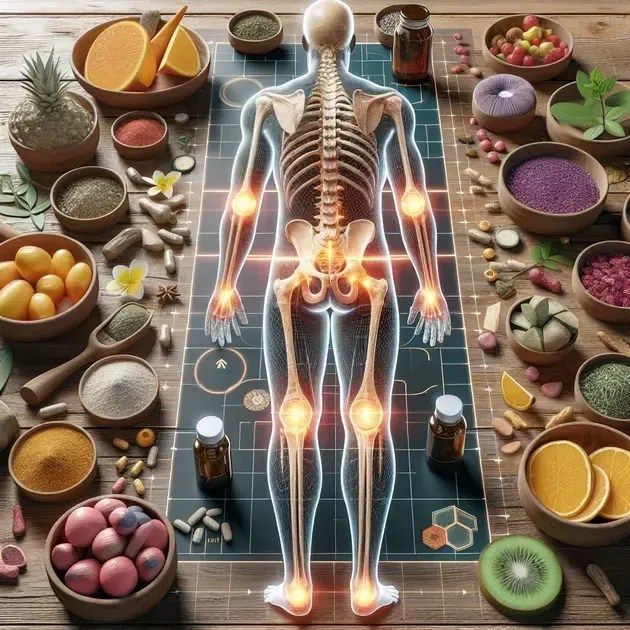
Our bones and joints form the framework of our body, supporting every movement, balance, and posture we maintain throughout life. They enable us to walk, run, lift, stretch, and perform even the simplest daily tasks. Yet, many people take their bone and joint health for granted until pain or stiffness begins to interfere with everyday activities. The truth is, your lifestyle choices — including diet, exercise, posture, and habits — play a direct role in how strong and healthy your bones and joints remain as you age.
Understanding these factors can help you take preventive steps early and enjoy lifelong mobility and comfort.
1. Nutrition: The Foundation of Strong Bones
Good bone health starts from within. Your diet provides the essential nutrients needed to build and maintain bone strength. Calcium and Vitamin D are particularly vital. Calcium helps in forming and maintaining the bone matrix, while Vitamin D enhances calcium absorption and supports bone mineralization. Dairy products, tofu, leafy greens, almonds, and fish like salmon and sardines are excellent sources.
In addition, Vitamin C, magnesium, and protein play key roles in collagen formation, which helps maintain joint flexibility and cartilage strength. Including fresh fruits, vegetables, and lean proteins ensures your bones and joints get the nourishment they deserve.
Conversely, excessive consumption of soft drinks, processed food, and refined sugar can deplete calcium and promote inflammation — two major enemies of healthy bones and joints. Staying well-hydrated also keeps the joints lubricated and helps prevent stiffness.
2. Exercise and Movement: Keeping Joints in Motion
An active lifestyle is one of the best defenses against joint and bone deterioration. Regular physical activity stimulates bone growth, maintains bone density, and strengthens the muscles that support the joints.
Weight-bearing exercises such as walking, jogging, and dancing help improve bone mass. Strength training builds muscle tone and stability around joints, preventing injuries and maintaining proper alignment.
For individuals with existing joint pain or conditions like arthritis, low-impact activities such as swimming, cycling, or yoga are beneficial. These exercises promote flexibility without overloading the joints.
However, lack of physical activity can quickly lead to weaker bones, reduced mobility, and stiffer joints. Even short daily sessions of exercise can make a big difference in maintaining long-term orthopedic health.
3. Weight Management and Its Impact on Joint Health
Your body weight has a direct impact on your joints, particularly your knees, hips, and spine — the major weight-bearing joints. Every extra kilogram puts additional stress on these joints, accelerating cartilage wear and increasing the risk of osteoarthritis.
Maintaining a healthy weight through balanced nutrition and regular activity significantly reduces this stress. Even modest weight loss can have a huge effect. Studies show that reducing just 5-10% of body weight can relieve joint pain and improve mobility in arthritis patients.
Furthermore, being overweight can alter your body mechanics, leading to poor posture and increased risk of back or joint injuries. Keeping your weight in check is one of the simplest yet most effective ways to ensure long-term joint health.
4. Posture and Ergonomics: Small Adjustments, Big Impact
Many people underestimate how much posture affects joint health. Poor sitting or standing posture strains the spine and joints, leading to chronic neck, shoulder, or back pain. Modern lifestyles — especially long hours at desks or on smartphones — often promote slouching, which can cause postural imbalances.
To counter this, pay attention to ergonomics at work and home. Use chairs with proper back support, take short breaks to stretch, and keep your computer screen at eye level. When lifting objects, bend from your knees instead of your waist to protect your back. Simple posture corrections can prevent years of orthopedic problems down the line.
5. Lifestyle Habits That Harm Bone and Joint Health
Certain habits silently damage bone and joint health over time. Smoking is one of the worst culprits — it restricts blood flow to bones and joints, reduces bone density, and interferes with the healing process after injuries. Excessive alcohol consumption weakens bone structure and increases the risk of fractures.
Lack of sleep also hampers the body’s natural repair processes. Bones and joints need adequate rest to recover from daily wear and tear. Prioritizing 7–8 hours of quality sleep helps your body rejuvenate and keeps your bones resilient.
Stress is another overlooked factor. Chronic stress leads to the release of cortisol, a hormone that can contribute to bone loss and muscle weakness. Managing stress through relaxation techniques, meditation, or hobbies can protect both your mental and physical well-being
6. Importance of Regular Orthopedic Check-Ups
Even if you live a healthy lifestyle, regular orthopedic check-ups are essential. Early detection of bone and joint issues can prevent severe complications later. Screenings like bone density tests can identify osteoporosis risk early, while routine evaluations can catch arthritis or degenerative changes before they progress.
If you experience recurring joint pain, swelling, stiffness, or reduced movement, don’t ignore it. Consulting an orthopedic specialist can help diagnose the cause and initiate timely treatment.
Conclusion
Healthy bones and joints are built through consistent care, not chance. By choosing nutritious foods, maintaining an active lifestyle, practicing good posture, and avoiding harmful habits, you can significantly reduce your risk of orthopedic problems in the future.
However, if you are already facing bone, joint, or mobility issues, professional guidance is key. Dr. Ashish Suryawanshi, one of Pune’s leading orthopedic and joint replacement surgeons, emphasizes the importance of preventive care and patient education. With his extensive expertise in robotic joint replacement, sports injury management, and advanced orthopedic care, Dr. Suryawanshi has helped countless patients restore movement, reduce pain, and regain confidence in their daily lives.
Recent Posts
-
 Walking by Dinner: The Shocking Reality of Same-Day Joint Replacement in 2026
 -
 AI-Driven Diagnostics: How Dr. Suryawanshi Spots Micro-Fractures That Traditional X-Rays Miss
 -
Robotic vs. Traditional: Is the Extra Cost Worth It for Your 20-Year Joint Longevity?
-
 Beyond the Scalpel: Why Smaller Incisions in Robotic Surgery Lead to “Bounce-Back” Recovery
 -
 Smart Implants 2026: The Artificial Joints That “Talk” to Your Phone During Recovery.