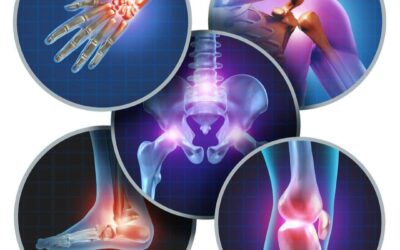
The Anterior Cruciate Ligament (ACL) is one of the key ligaments that help stabilize the knee joint. ACL tears are among the most common and serious knee injuries, especially in athletes and individuals with an active lifestyle. Whether caused by sports, sudden movements, or accidents, an ACL injury can significantly affect mobility and quality of life. In this blog, we’ll explore how ACL tears are diagnosed, the available treatment options, and what you can expect in terms of recovery.
What is an ACL Tear?
The ACL is a strong band of tissue that connects the thigh bone (femur) to the shin bone (tibia). It helps control forward movement and rotation of the knee. An ACL tear typically occurs when there’s a sudden change in direction, a quick stop, or direct contact to the knee, common in sports like football, basketball, and soccer.
There are three grades of ACL injury:
Grade 1: Mild damage; ligament is slightly stretched but still stabilizes the knee.
Grade 2: Partial tear; the ligament is stretched and loose.
Grade 3: Complete tear; the ligament is torn into two pieces.
Common Symptoms of an ACL Tear
An ACL tear often happens instantly and may be accompanied by a “popping” sound. Common signs and symptoms include:
- Sudden pain in the knee
- Rapid swelling
- Difficulty standing or walking
- Feeling of instability or the knee “giving out”
- Loss of range of motion
Diagnosis of ACL Injury
If you suspect an ACL injury, early diagnosis is essential for effective treatment and recovery. An orthopedic specialist like Dr. Ashish Suryawanshi may perform the following:
Physical Examination
The doctor will check the knee’s range of motion, stability, and level of swelling. Specific tests like the Lachman test help assess ACL integrity.
Imaging Tests
MRI (Magnetic Resonance Imaging): Confirms the extent of the tear and checks for associated injuries to cartilage or meniscus.
X-ray: Rules out bone fractures.
Treatment Options for ACL Tears
Treatment depends on the severity of the tear and the patient’s activity level. It can be non-surgical or surgical.
Non-Surgical Treatment
For partial tears or less active individuals:
Physical Therapy: Focuses on strengthening muscles around the knee to regain stability.
Bracing: A knee brace may be recommended to support the joint during movement.
Activity Modification: Avoiding activities that strain the knee helps prevent further damage.
Surgical Treatment
For complete tears, young athletes, or those with instability:
ACL Reconstruction Surgery: The torn ligament is replaced with a graft, usually taken from the patient’s hamstring or patellar tendon.
Modern techniques, including arthroscopic surgery, ensure less pain and quicker recovery.
Under the care of an experienced orthopedic surgeon like Dr. Ashish Suryawanshi, ACL reconstruction is highly effective in restoring full knee function and returning patients to their active lifestyles.
Recovery Timeline
ACL recovery varies based on treatment type, age, and overall health. Here’s a general timeline for surgical recovery:
Week 1–2: Immediate Post-Surgery Phase
Use of crutches and knee brace
Ice therapy to reduce swelling
Gentle range-of-motion exercises
Weeks 3–6: Early Rehabilitation
Gradual weight-bearing begins
Continued physical therapy
Focus on regaining motion and reducing stiffness
Weeks 7–12: Strengthening Phase
Targeted exercises for the quadriceps and hamstrings
Improved knee stability
May start light stationary cycling or swimming
3–6 Months: Advanced Recovery
Dynamic exercises and sports-specific drills
Gradual return to running
Balance and coordination training
6–9 Months: Return to Sports
Full recovery with clearance from the orthopedic surgeon
Return to competitive sports, if appropriate
Focus on injury prevention and long-term knee health
Conclusion
ACL tears may seem daunting, but with timely diagnosis, expert care, and a structured rehabilitation plan, full recovery is entirely possible. Whether you’re an athlete eager to return to your sport or someone just looking to walk pain-free again, understanding the journey from injury to recovery is the first step.
If you’re experiencing knee pain or suspect an ACL injury, don’t delay. Book a consultation with Dr. Ashish Suryawanshi — a leading orthopedic surgeon and sports injury specialist based in Thergaon and Nigdi, Pune. Known for his expertise in arthroscopy and joint care, Dr. Suryawanshi provides accurate diagnoses and personalized treatment plans. Take the first step toward recovery by visiting.
Recent Posts
-
Robotic vs. Traditional: Is the Extra Cost Worth It for Your 20-Year Joint Longevity?
-
 Beyond the Scalpel: Why Smaller Incisions in Robotic Surgery Lead to “Bounce-Back” Recovery
 -
 Smart Implants 2026: The Artificial Joints That “Talk” to Your Phone During Recovery.
 -
 The “Digital Twin” Advantage: How Dr. Ashish Suryawanshi Uses 3D Mapping to Rehearse Your Surgery
 -
 Biohacking Your Posture: Can Smart Wearables Really Replace a Spine Specialist’s Advice?