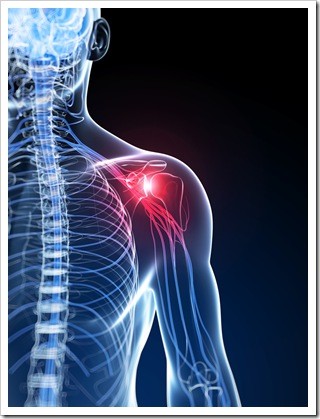
What Is Frozen Shoulder?
Frozen shoulder, medically known as adhesive capsulitis, is a painful and often debilitating condition that affects the shoulder joint. It occurs when the capsule surrounding the shoulder thickens and tightens, restricting movement and causing significant stiffness and pain. The condition can develop gradually and typically progresses through three stages — the freezing stage, the frozen stage, and the thawing stage.
During the freezing stage, patients experience increasing pain and a gradual loss of shoulder movement. In the frozen stage, pain may reduce slightly, but stiffness remains, making it difficult to perform everyday activities such as dressing or reaching overhead. Finally, in the thawing stage, shoulder mobility slowly begins to improve, though this can take several months.
Causes and Risk Factors
While the exact cause of frozen shoulder is not always known, certain factors increase the risk of developing it. These include:
- Age and Gender: Most commonly affects people between 40 and 60 years, and women are more prone than men.
- Medical Conditions: Diabetes, thyroid disorders, and cardiovascular diseases are known to increase the risk.
- Immobilization: Prolonged immobility after an injury, fracture, or surgery can lead to stiffness and reduced shoulder movement.
- Previous Shoulder Injuries: Rotator cuff tears, tendinitis, or other shoulder problems can contribute to the development of frozen shoulder.
Understanding these risk factors can help patients and doctors take preventive measures and seek early intervention.
Symptoms to Watch For
The hallmark symptom of frozen shoulder is pain accompanied by stiffness. The pain is typically dull or aching and can worsen at night, making sleep difficult. Over time, patients find it increasingly hard to perform movements like lifting the arm, rotating it, or reaching behind the back. The limited range of motion can affect daily life and even lead to muscle weakness if not treated promptly.
Diagnosis
Diagnosis of frozen shoulder is usually based on clinical examination and imaging tests. Orthopedic specialists assess the range of motion, evaluate pain levels, and may order an X-ray or MRI scan to rule out other conditions such as arthritis or rotator cuff tears. Early diagnosis is essential for effective management and faster recovery.
Modern Treatment Options
Treatment for frozen shoulder focuses on reducing pain, restoring mobility, and improving shoulder function. Depending on the stage and severity of the condition, several modern treatment options are available:
1. Medications
Anti-inflammatory medications and pain relievers can help manage discomfort and swelling, especially during the initial stages.
2. Physiotherapy
Physical therapy is the cornerstone of frozen shoulder management. Gentle stretching and strengthening exercises help restore flexibility and movement. Regular guided physiotherapy sessions under professional supervision can significantly speed up recovery.
3. Steroid Injections
Corticosteroid injections may be recommended to reduce inflammation and pain, especially when symptoms are severe and affecting daily activities.
4. Hydrodilatation
This minimally invasive procedure involves injecting sterile fluid into the shoulder joint to expand the capsule and improve movement. It is often done under ultrasound guidance and can provide quick relief.
5. Arthroscopic Surgery
For patients who do not respond to conservative treatments, arthroscopic surgery may be advised. It is a minimally invasive procedure in which the tightened joint capsule is released to restore motion. Recovery after surgery is typically faster compared to traditional open procedures.
Rehabilitation and Recovery
Post-treatment rehabilitation plays a vital role in achieving full recovery. Physiotherapy exercises should continue even after pain relief to prevent recurrence. Maintaining an active lifestyle, proper posture, and regular stretching can help keep the shoulder healthy and mobile.
Prevention Tips
- Keep your shoulder moving, especially after an injury or surgery.
- Manage underlying conditions like diabetes effectively.
- Avoid prolonged immobilization or inactivity.
- Incorporate gentle shoulder exercises into your daily routine.
Conclusion
Frozen shoulder can be a challenging condition, but with modern treatment options and early intervention, recovery is entirely possible. Minimally invasive techniques, combined with personalized physiotherapy, have made shoulder mobility restoration much faster and more effective.
For patients experiencing shoulder pain or stiffness, consulting an experienced orthopedic specialist is crucial. Dr. Ashish Suryawanshi, a leading Orthopedic and Sports Injury Specialist, provides advanced diagnosis and treatment for shoulder conditions, including frozen shoulder. His patient-centric approach and expertise in modern orthopedic care help patients regain movement and live pain-free.
Recent Posts
-
 Walking by Dinner: The Shocking Reality of Same-Day Joint Replacement in 2026
 -
 AI-Driven Diagnostics: How Dr. Suryawanshi Spots Micro-Fractures That Traditional X-Rays Miss
 -
Robotic vs. Traditional: Is the Extra Cost Worth It for Your 20-Year Joint Longevity?
-
 Beyond the Scalpel: Why Smaller Incisions in Robotic Surgery Lead to “Bounce-Back” Recovery
 -
 Smart Implants 2026: The Artificial Joints That “Talk” to Your Phone During Recovery.