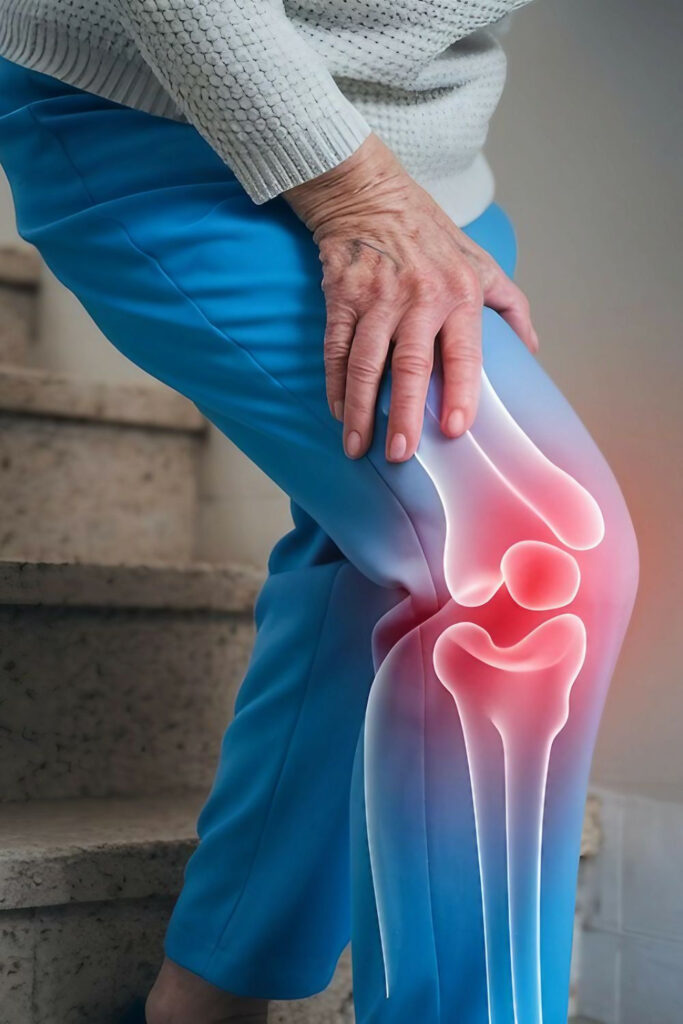
Osteoarthritis (OA) is a chronic degenerative joint disease that mainly targets the cartilage, resulting in pain, stiffness, and loss of mobility. Although severe OA may eventually require surgery, early OA can often be treated effectively using non-invasive measures. Early diagnosis and proper management are crucial to preventing further progression of the disease and improving quality of life.
At Dr. Ashish Suryawanshi’s clinic in Pune, patients receive individualized care tailored to their needs, with an emphasis on non-surgical interventions to manage early OA symptoms.
Understanding Early Osteoarthritis
In the early stage of OA, cartilage begins degenerating, causing minimal pain and stiffness, often after periods of rest. Early OA may present with:
- Mild stiffness and joint pain
- Swollen joints after activity
- Limited range of motion
- Crepitus (a crunching sensation while moving a joint)
Recognizing these initial signs and seeking early medical care can prevent additional joint damage and delay the need for surgery.
Successful Non-surgical Options
- Physical Therapy and Exercise
Participating in ongoing physical therapy is one of the most effective ways to manage early OA. A supervised exercise regimen can:- Strengthen the muscles around the affected joint
- Improve flexibility and mobility
- Enhance overall joint stability
Low-impact exercises such as cycling, swimming, and walking are particularly beneficial, as they place minimal stress on the joints while promoting movement.
- Weight Management
Excess body weight increases stress on weight-bearing joints like the knees and hips, accelerating cartilage degeneration. Maintaining a healthy weight can:- Reduce joint stress
- Relieve pain
- Slow disease progression
A balanced diet and regular exercise are key to effective weight management.
- Medications
Over-the-counter drugs can help relieve pain and inflammation in early OA. Commonly used medications include:- Acetaminophen: For mild to moderate pain relief
- Nonsteroidal anti-inflammatory drugs (NSAIDs): To reduce inflammation and pain
It is important to use these medications under medical supervision to avoid potential side effects.
- Joint Injections
For persistent pain, corticosteroid injections can temporarily reduce inflammation. Hyaluronic acid injections may also help lubricate the joint, improve mobility, and relieve pain. - Assistive Devices
Braces, orthotic insoles, or walking aids can:- Provide joint support
- Improve alignment
- Reduce pain during daily activities
These devices are particularly helpful for individuals with knee or hip OA.
Lifestyle Modifications
Incorporating lifestyle changes supports medical therapies and helps maintain healthy joints:
- Regular Exercise: Low-impact exercises help preserve joint function
- Balanced Diet: Include anti-inflammatory foods
- Adequate Rest: Allow joints to recover and heal
- Avoiding Joint Overuse: Reduce repetitive activities that strain the joints
When to Consider Surgical Intervention
Although non-surgical measures are effective in early OA, surgery may become necessary in cases of:
- Persistent pain despite conservative treatment
- Severe joint deformity
- Loss of joint function
Under such circumstances, surgical interventions like joint replacement can be considered. Consultation with a specialist is essential to plan the best course of action.
Conclusion
Early osteoarthritis can often be managed successfully with a combination of physical therapy, weight control, medications, joint injections, and lifestyle modifications. Early intervention helps preserve joint function, improve quality of life, and may delay or even prevent surgery.
For specialized treatment and personalized therapy plans, visit Dr. Ashish Suryawanshi’s clinic in Pune. With over 15 years of experience in orthopedic care, Dr. Suryawanshi provides expert solutions for early osteoarthritis management.
Recent Posts
-
 Walking by Dinner: The Shocking Reality of Same-Day Joint Replacement in 2026
 -
 AI-Driven Diagnostics: How Dr. Suryawanshi Spots Micro-Fractures That Traditional X-Rays Miss
 -
Robotic vs. Traditional: Is the Extra Cost Worth It for Your 20-Year Joint Longevity?
-
 Beyond the Scalpel: Why Smaller Incisions in Robotic Surgery Lead to “Bounce-Back” Recovery
 -
 Smart Implants 2026: The Artificial Joints That “Talk” to Your Phone During Recovery.