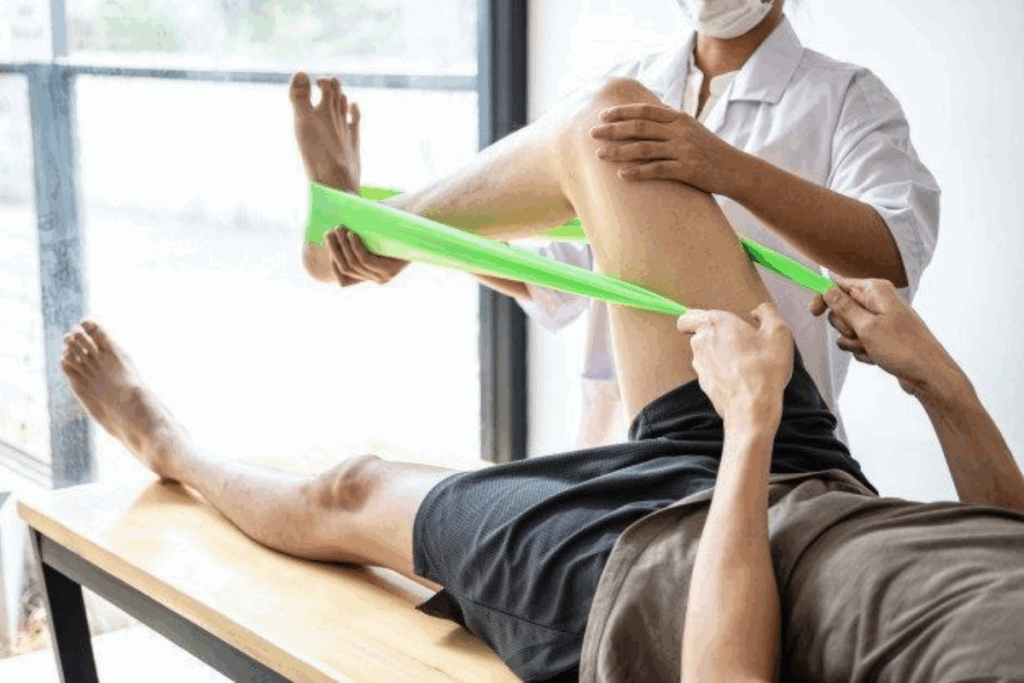
Joint replacement surgery, including hip or knee replacement, has proven to be an everyday and remarkably successful solution for extreme joint pain and dysfunction due to arthritis or trauma. Although surgery is the essential move, physical therapy serves an equally important role in making the most favorable outcomes. Physical therapy both before and after surgery is an important part of a complete treatment regimen, facilitating recovery, increasing mobility, and supporting long-term joint function.
In this article, we discuss why physical therapy is critical prior to and after joint replacement surgery and how it will help you recover successfully.
Why Physical Therapy Is Important Prior to Joint Replacement Surgery
1. Getting Your Body Ready for Surgery
Preoperative physical therapy, or “prehab,” prepares your muscles and joints for the surgery ahead. More muscular support around the joint means that your new implant will have greater strength and stability, with a better function after surgery.
2. Maintaining Joint Mobility
Restricted range of motion is a characteristic of arthritic joints. Physical therapy exercises ensure that flexibility of the joint is preserved or even enhanced before surgery, making postoperative rehabilitation and recovery easier.
3. Generalized Fitness Enhancement
Physical therapy frequently involves cardiovascular and strength training exercises that enhance your overall health and well-being. Greater physical fitness minimizes risks during surgery and accelerates the healing process.
4. Patient Education
Therapists inform patients regarding the surgical procedure, rehabilitation expectations, and exercises to perform after surgery. This education minimizes patient anxiety and enables them to take an active role in their own rehabilitation.
Physical Therapy Following Joint Replacement Surgery
Postoperative physical therapy is essential to restore function, alleviate pain, and avoid complications. It typically starts within 24 to 48 hours post-surgery and is performed for weeks or even months, depending on individual circumstances.
1. Pain Management
Physical therapists apply gentle exercises and modalities such as ice therapy and electrical stimulation to help manage pain and swelling following surgery, reducing the need for medications.
2. Restoring Range of Motion
Early mobilization prevents stiffness and facilitates healing. Patients are taken through passive and active movements to build up joint flexibility gradually.
3. Muscle Strengthening
Atrophy of the muscles is typical following surgery as a result of immobilization. Strengthening exercises are aimed at the muscles around the replaced joint for the purpose of improving stability and function.
4. Balance and Gait Improvement
Physical therapy consists of balance retraining and gait retraining to enable patients to walk safely and become independent. Assistive devices such as walkers or canes can be introduced and eventually removed as function increases.
5. Functional Training
Patients are aided by therapists to resume everyday activities like stair climbing, getting in and out of chairs, and dressing with a safe and confident return to normal life.
Benefits of Physical Therapy in Joint Replacement
Improved Recovery: Patients undergoing physical therapy recover faster and achieve mobility earlier.
Decreased Complications: Early mobilization reduces the risk of blood clots, joint stiffness, and muscle weakness.
Better Implant Durability: Strong muscles and optimal joint mechanics minimize implant wear and improve its durability.
Better Quality of Life: Effective rehab results in enhanced pain control, improved function, and greater satisfaction.
Customized Care with Expert Guidance
Physical therapy treatments are specifically designed according to each patient’s condition, age, and overall health. Seasoned orthopedic surgeons such as Dr. Ashish Suryawanshi in Nigdi, Pimpri-Chinchwad, Maharashtra, work in conjunction with physical therapists to create customized rehabilitation plans that are consistent with surgical objectives.
Tips for a Successful Physical Therapy Experience
Commit to Regular Sessions: Keeping up with regular sessions is essential for maximum gain.
Follow Therapist’s Instructions: Appropriate technique and progression promote safety.
Communicate: Tell your therapist about any pain or challenges.
Stay Positive: Healing is a process, but with patience, you can make progress.
Conclusion
Physical therapy is a vital component of the joint replacement experience. From pre-surgical preparation to restoring strength and mobility post-surgery, it optimizes the payoff from surgical care and returns you to a pain-free, active life.
If you’re contemplating or lined up for joint replacement surgery, see Dr. Ashish Suryawanshi, one of the top orthopedic surgeons in joint replacement and preservation in Nigdi, Pimpri-Chinchwad, Maharashtra. His integrative approach guarantees that you’ll get end-to-end care—including professional advice on physical therapy—to ensure optimal results.
Recent Posts
-
 Walking by Dinner: The Shocking Reality of Same-Day Joint Replacement in 2026
 -
 AI-Driven Diagnostics: How Dr. Suryawanshi Spots Micro-Fractures That Traditional X-Rays Miss
 -
Robotic vs. Traditional: Is the Extra Cost Worth It for Your 20-Year Joint Longevity?
-
 Beyond the Scalpel: Why Smaller Incisions in Robotic Surgery Lead to “Bounce-Back” Recovery
 -
 Smart Implants 2026: The Artificial Joints That “Talk” to Your Phone During Recovery.