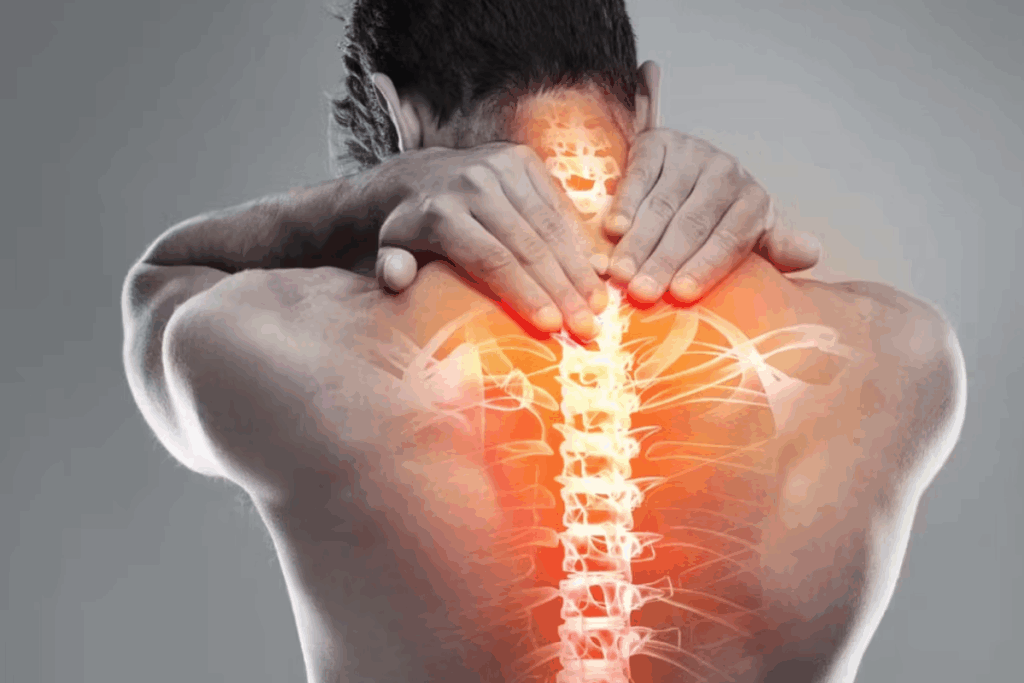
Osteoporosis is often called the “silent disease” because it can develop slowly without showing noticeable symptoms until a fracture occurs. This condition weakens bones, making them brittle and more prone to fractures, particularly in areas like the spine, hips, and wrists. While osteoporosis is commonly associated with older age, it can affect individuals of all ages. Early prevention and management can significantly reduce the risk of bone loss and fractures, helping people lead an active and healthy life.
What Is Osteoporosis?
Osteoporosis occurs when the body’s bone remodeling process, which involves the formation and breakdown of bone tissue, becomes imbalanced. The result is a decrease in bone density, making bones fragile and prone to breaking with even minimal pressure or impact. This condition can occur silently over many years and is often diagnosed only after a fracture.
There are two types of osteoporosis:
- Primary Osteoporosis: The most common form, primarily affecting postmenopausal women and older adults.
- Secondary Osteoporosis: Occurs due to other medical conditions or medications that negatively impact bone health, such as prolonged use of corticosteroids.
Risk Factors for Osteoporosis
While osteoporosis can affect anyone, certain factors increase the risk:
- Age: Bone mass decreases with age, especially after 30.
- Gender: Women are at a higher risk due to the decrease in estrogen levels after menopause.
- Family history: If you have a family member with osteoporosis, your chances of developing it are higher.
- Physical inactivity: Lack of weight-bearing exercises can weaken bones.
- Diet: Low calcium and vitamin D intake can significantly impact bone health.
- Lifestyle habits: Smoking and excessive alcohol consumption can increase the risk.
Preventing Osteoporosis
The good news is that osteoporosis is preventable with the right lifestyle choices. Here are several steps you can take to strengthen your bones and reduce the risk of developing osteoporosis:
1. Ensure Adequate Calcium and Vitamin D Intake
Calcium is essential for building and maintaining strong bones. Vitamin D, on the other hand, helps your body absorb calcium efficiently. To maintain strong bones:
- Calcium-rich foods: Dairy products like milk, cheese, and yogurt, along with leafy greens such as kale and spinach, fortified cereals, and almonds.
- Vitamin D sources: Sun exposure, fatty fish like salmon, fortified milk, and egg yolks.
The recommended daily calcium intake is about 1,000 mg for adults under 50 and 1,200 mg for those over 50. Vitamin D recommendations vary but typically range from 800 to 1,000 IU daily.
2. Engage in Weight-Bearing Exercise
Regular physical activity, especially weight-bearing exercises, strengthens bones and helps maintain bone density. Some great exercises include:
- Walking and jogging
- Strength training with light weights
- Yoga and Tai Chi to improve flexibility, balance, and posture
These exercises help stimulate bone formation, improve balance, and reduce the risk of falls and fractures.
3. Quit Smoking and Limit Alcohol
Smoking reduces bone mass and disrupts the body’s ability to absorb nutrients essential for bone health. Similarly, excessive alcohol consumption can interfere with calcium absorption and lead to weaker bones. If you smoke or drink heavily, quitting or reducing your consumption can make a significant difference to your bone health.
4. Maintain a Healthy Weight
Being underweight increases the risk of osteoporosis, while carrying excess weight can put stress on your bones and joints. A balanced diet combined with regular exercise can help you maintain a healthy weight and protect your bone health.
5. Fall Prevention
Preventing falls is critical, particularly for those at higher risk of osteoporosis. Take steps to make your home safer:
- Install grab bars in the bathroom
- Remove tripping hazards like rugs
- Ensure that walkways are well-lit
- Wear supportive shoes
Managing Osteoporosis
For those already diagnosed with osteoporosis, managing the condition becomes essential to prevent further bone loss and fractures. Treatment usually involves a combination of medication, lifestyle changes, and regular monitoring.
1. Medications
Doctors often prescribe medications to help manage osteoporosis. These include:
Bisphosphonates: Medications such as alendronate (Fosamax) and risedronate (Actonel) help slow down bone loss and may reduce the risk of fractures.
Selective Estrogen Receptor Modulators (SERMs): These mimic estrogen in the body, helping maintain bone density.
Parathyroid hormone (PTH) analogs: These stimulate new bone formation and are often prescribed for severe osteoporosis.
Monoclonal antibodies: Denosumab (Prolia) is an example, and it helps reduce bone loss.
2. Regular Bone Density Tests
Bone density tests (DEXA scans) help track bone loss over time and evaluate the effectiveness of any treatments. Individuals with osteoporosis need to undergo these tests periodically to adjust treatments as needed.
3. Diet and Nutrition
Working with a dietitian to ensure a calcium- and vitamin D-rich diet is crucial in managing osteoporosis. Additionally, consuming foods that promote bone health, such as lean protein, magnesium, and potassium-rich fruits and vegetables, can also support your bones.
Conclusion
Osteoporosis is a condition that requires lifelong attention, but with the right lifestyle choices, medical guidance, and regular monitoring, it can be effectively managed. By focusing on prevention through proper nutrition, exercise, and healthy habits, you can significantly reduce the risk of osteoporosis or manage it if already diagnosed.
If you’re concerned about bone health or at risk of osteoporosis, don’t wait to take action. Book a consultation with Dr. Ashish Suryawanshi — a leading orthopedic surgeon and bone health specialist based in Thergaon and Nigdi, Pune. Renowned for his expertise in managing osteoporosis and other bone-related conditions, Dr. Suryawanshi offers accurate diagnoses and personalized care plans. Take a proactive step toward stronger bones and better health
Recent Posts
-
Robotic vs. Traditional: Is the Extra Cost Worth It for Your 20-Year Joint Longevity?
-
 Beyond the Scalpel: Why Smaller Incisions in Robotic Surgery Lead to “Bounce-Back” Recovery
 -
 Smart Implants 2026: The Artificial Joints That “Talk” to Your Phone During Recovery.
 -
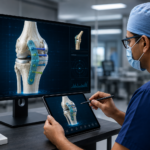 The “Digital Twin” Advantage: How Dr. Ashish Suryawanshi Uses 3D Mapping to Rehearse Your Surgery
 -
 Biohacking Your Posture: Can Smart Wearables Really Replace a Spine Specialist’s Advice?