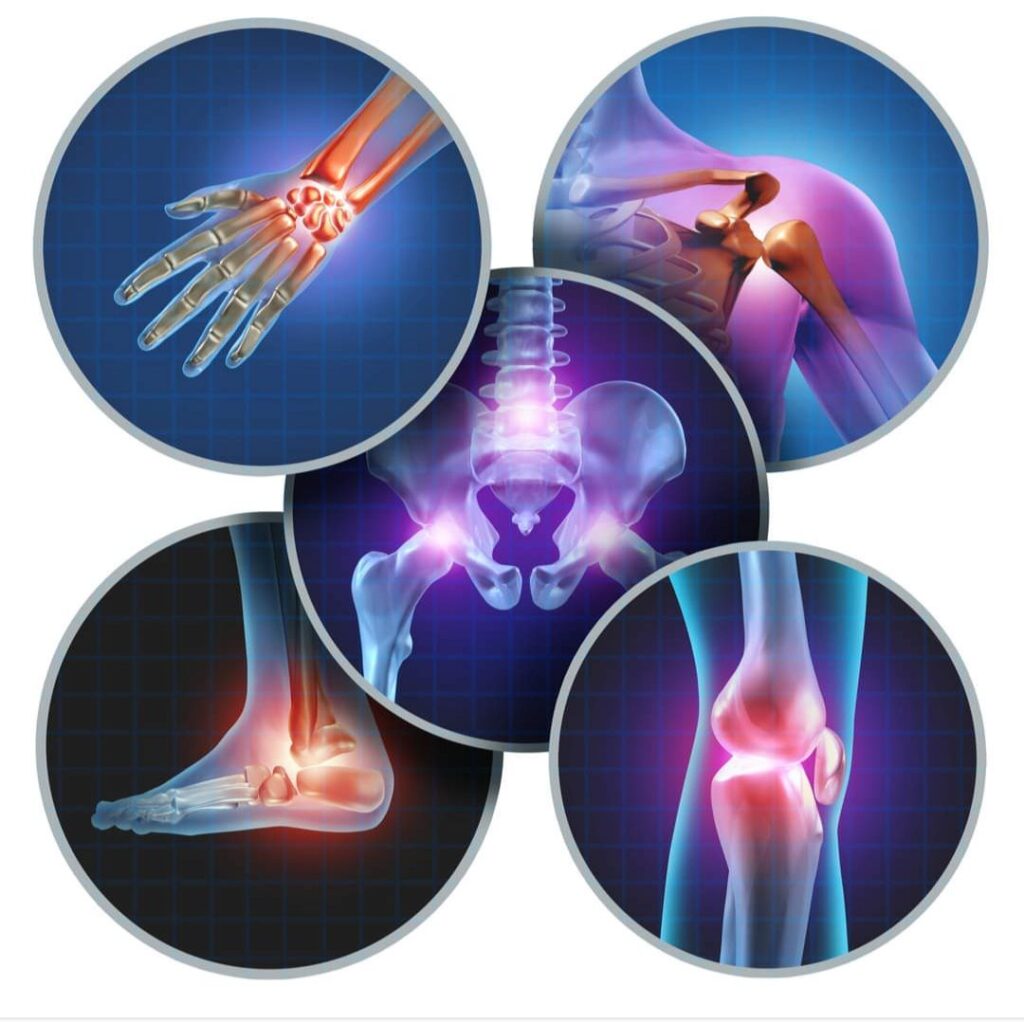
Orthopaedic emergencies can happen unexpectedly — a fall at home, a sports injury on the field, a road accident, or a sudden onset of severe joint pain. These situations often cause panic, and the first few minutes are crucial in preventing further damage. Knowing what to do before reaching the hospital can greatly help reduce pain, protect the injured area, and improve long-term recovery outcomes.
Whether the emergency involves a fracture, dislocation, severe muscle tear, or spinal injury, timely and correct action makes a major difference. Most people unintentionally worsen the injury while trying to help. This blog highlights the most common orthopaedic emergencies and the right steps to take immediately after an injury — even before you reach a doctor.
Common Orthopaedic Emergencies
- Bone Fractures
A fracture may be obvious — with visible deformity — or may only present swelling and severe pain. Open fractures (where the bone is exposed) are particularly dangerous due to high infection risk. - Joint Dislocations
Dislocation occurs when the bone pops out of its normal position, usually in the shoulder, knee, hip, or finger joints. It is extremely painful and needs urgent attention. - Ligament or Tendon Rupture
Sudden twisting movements or accidents can cause ligament tears — especially ACL (knee) and Achilles tendon (ankle). Severe swelling and inability to move are common signs. - Spinal Injuries
Back or neck trauma from falls or accidents should always be considered serious unless medically ruled out. Improper handling can lead to permanent disability. - Severe Muscle or Soft Tissue Trauma
Deep cuts, crushing injuries, or muscle tears also require immediate medical intervention.
What You Should Do Immediately After an Orthopaedic Injury
- Stay Calm and Assess the Situation
Panicking increases risk of further injury. Ensure the injured person is safe and away from traffic, edges, or heavy objects.
- Immobilize the Injured Area
Movement can worsen the injury and damage nerves or blood vessels. Use a splint or stiff material (wood, cardboard, stick, rolled magazine) to prevent movement. Secure gently with cloth — not too tight.
Never attempt to straighten a limb or push a dislocated joint back into place — this should only be done by an orthopaedic surgeon.
- Apply the R.I.C.E. Method for Swelling and Pain
If the injury is not involving the spine or head:
- Rest the injured area
- Ice for 15–20 minutes to reduce swelling
- Compression with a bandage (not extremely tight)
- Elevation above heart level if possible
This provides relief while waiting to reach the hospital.
- Control Bleeding (If Present)
For open injuries:
- Apply clean cloth or sterile gauze
- Use firm pressure to stop bleeding
- Do not remove deeply embedded objects — let the doctor handle it
If blood soaks through the cloth, add another layer instead of removing the first one.
- Avoid Giving Food or Water
If surgery is needed, having an empty stomach is important. Avoid giving food, water, or painkillers that may cause drowsiness.
- Monitor for Shock
Symptoms may include:
- Pale or cold skin
- Rapid breathing
- Excessive sweating
- Confusion or low alertness
Keep the person warm and lying down until medical help arrives.
Mistakes to Avoid in an Orthopaedic Emergency
Do not massage the injured area
Do not apply heat immediately after injury
Do not allow the person to walk on an injured leg
Do not attempt to “set” a bone back in place
Do not delay seeking treatment
Even if the pain reduces temporarily, underlying injuries may remain and worsen over time.
When to Call an Ambulance Instead of Self-Transport
Dial emergency services (108/112 in India) if:
- There is severe bleeding or bone visible
- The patient is unconscious or confused
- There is a suspected spine or neck injury
- Multiple fractures are present (polytrauma)
- The person cannot be safely moved
In case of spinal injury, avoid moving the patient unless there is immediate danger (such as fire or flood). Use a firm stretcher or wooden board, keeping the person’s neck and spine aligned.
Why Quick Hospital Treatment Matters
Even if temporary relief is provided at home, orthopaedic emergencies need professional evaluation. Delays may lead to:
- Improper bone healing
- Permanent joint stiffness
- Long-term mobility restrictions
- Need for revision surgery later
Advanced medical imaging — X-ray, CT, MRI — plays a critical role in diagnosing hidden injuries and determining the best treatment approach.
Conclusion
Orthopaedic emergencies can be frightening, but quick and correct action can minimize complications and speed up recovery. Stay calm, control pain and swelling, immobilize the area, avoid unnecessary movement, and get medical help immediately. Being prepared and informed could make a life-changing difference — whether for you or someone you care about.
For advanced joint replacement solutions in Pune, visit Dr. Ashish Suryawanshi’s clinic, where personalized evaluation and state-of-the-art surgical expertise ensure the best possible results for every patient.
Recent Posts
-
 Walking by Dinner: The Shocking Reality of Same-Day Joint Replacement in 2026
 -
 AI-Driven Diagnostics: How Dr. Suryawanshi Spots Micro-Fractures That Traditional X-Rays Miss
 -
Robotic vs. Traditional: Is the Extra Cost Worth It for Your 20-Year Joint Longevity?
-
 Beyond the Scalpel: Why Smaller Incisions in Robotic Surgery Lead to “Bounce-Back” Recovery
 -
 Smart Implants 2026: The Artificial Joints That “Talk” to Your Phone During Recovery.