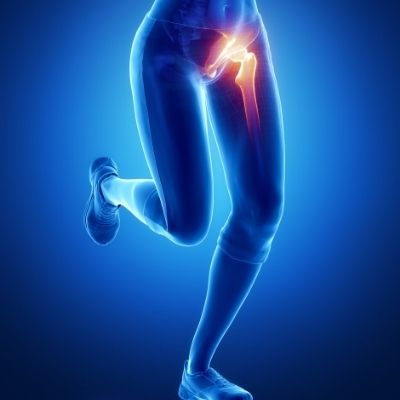
Hip pain is fast becoming common for people belonging to various age groups, especially in rapid metropolises like Pune. Long hours of work, less physical activity, aggressive gymming, and age also invite hip problems. For many living in Baner, Aundh, Thergaon, Wakad, and Hinjewadi, hip pain hampers daily activities as simple as walking, climbing stairs, or even sitting for a long time.
Understanding the causes and some simple relief techniques will help prevent the issue from escalating. This blog will explain the most common causes of hip pain, provide you with some simple tips that can be done at home for relief, and point out when it is time to seek professional care.
Common Causes of Hip Pain
1. Osteoarthritis
Osteoarthritis is one of the common causes of hip pain, more so above the age of 50 years. Continuous wear and tear causes the protective cartilage in the hip joint to wear out. This leads to pain, stiffness, limited movement, and reduced ability to perform simple activities. Urban lifestyle factors such as sitting for too long and lack of mobility are known to increase the risk of early degeneration.
2. Labral Tear of the Hip
The labrum is a ring of cartilage that stabilizes the hip joint. Labral tears can be caused by sudden twisting movements, high-impact sports, and repetitive activities. Symptoms include groin pain, clicking, stiffness, and a feeling that the hip is “catching.” Advanced imaging and minimally invasive arthroscopy are often used for accurate diagnosis and treatment.
3. Bursitis
Bursae are small, fluid-filled pouches that provide cushioning to the bones and soft tissues around the hip. When these bursae get inflamed from overuse, standing for too long, incorrect posture, or running, it results in bursitis. The pain is usually sharp and localized and worsens with repetitive movement.
4. Tendonitis & Muscle Strain
Strain in the hip tendons or muscles may be caused by activities such as running, gym workouts, cycling, and even sitting for long periods. Conditions like iliopsoas tendonitis, hamstring tightness, and gluteal muscle strain usually cause pain while bending, lifting the leg, or uphill walking.
5. Avascular Necrosis (AVN)
AVN is a condition in which the blood supply to the hip bone diminishes, causing the bone to weaken and collapse. Early diagnosis is crucial. Depending on severity, joint-preserving techniques, medications, or minimally invasive procedures may be needed.
6. Hip Fractures
Hip fractures are common among elderly patients with osteoporosis. Even minor falls can cause severe fractures requiring immediate attention. Advanced implants, surgical precision, and early rehabilitation help restore mobility effectively.
Early Symptoms That You Should Not Ignore
- Persistent pain in the groin, thigh, or buttock
- Pain while sleeping on one side
- Difficulty walking, standing, or climbing stairs
- Clicking, locking, or catching sensations
- Stiffness after sitting for long periods
- Limping or reduced mobility
Ignoring these symptoms may worsen underlying issues, especially arthritis, AVN, or structural problems.
Simple Relief Tips for Hip Pain
1. Hot & Cold Therapy
Cold packs help reduce inflammation, while warm compresses relax tight muscles.
2. Stretching & Strengthening
Gentle hip flexor, hamstring, and glute stretches help improve mobility. Avoid jerky movements.
3. Weight Management
Maintaining a healthy weight reduces pressure on the hip joint and eases pain.
4. Comfortable Footwear
Cushioned, shock-absorbing shoes prevent additional stress on the hips.
5. Physiotherapy
A structured physiotherapy program strengthens the hip, improves flexibility, and prevents recurrence.
6. Posture Correction
Avoid prolonged sitting or standing. Adjust your workspace ergonomics and take regular movement breaks.
7. Medications
OTC anti-inflammatory medicines may offer temporary relief but should not be used long-term without medical advice.
Advanced Treatments for Hip Pain
When basic treatments don’t provide relief, advanced orthopaedic care may be needed. Options include:
- Image-guided injections (PRP, corticosteroids)
- Hip arthroscopy for labral tears
- AVN joint-preserving treatments
- Minimally invasive hip surgery
- Partial or total hip replacement
- Robotic or computer-navigated hip procedures
These methods ensure faster recovery and better joint stability
Conclusion
Hip pain must never be neglected. Early diagnosis and timely treatment help avoid long-term complications, improve mobility, and restore quality of life. For expert guidance, personalised treatment plans, and advanced hip care in Pune, you can consult:Dr. Ashish Suryawanshi
Recent Posts
-
 Walking by Dinner: The Shocking Reality of Same-Day Joint Replacement in 2026
 -
 AI-Driven Diagnostics: How Dr. Suryawanshi Spots Micro-Fractures That Traditional X-Rays Miss
 -
Robotic vs. Traditional: Is the Extra Cost Worth It for Your 20-Year Joint Longevity?
-
 Beyond the Scalpel: Why Smaller Incisions in Robotic Surgery Lead to “Bounce-Back” Recovery
 -
 Smart Implants 2026: The Artificial Joints That “Talk” to Your Phone During Recovery.