Understanding Orthopaedic Trauma in Pune
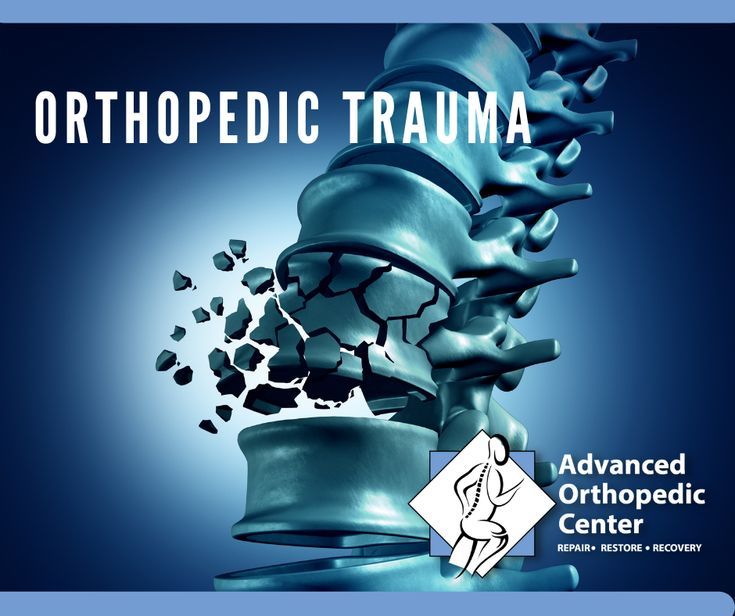
Orthopaedic trauma refers to injuries involving fractures, dislocations, and soft tissue damage. In fast-developing regions such as Pune and PCMC, the number of trauma cases is rising due to increasing road accidents, sports injuries, workplace mishaps, and unexpected falls. These injuries often occur suddenly and require immediate orthopaedic evaluation. Modern orthopaedic facilities, reliable healthcare brands, and high-quality trauma-care products play a crucial role in ensuring effective and timely treatment.
Causes of Orthopaedic Trauma
Many factors contribute to orthopaedic trauma. Road accidents on busy city roads in Pune, falls at home, workplace injuries, and high-impact sports incidents are the most common causes. These situations frequently result in fractures, dislocations, ligament injuries, and tendon damage. Elderly individuals in Maharashtra are at higher risk because weaker bones make even minor falls severe. Seeking prompt medical care helps reduce complications and ensures proper healing.
Symptoms of Orthopaedic Trauma
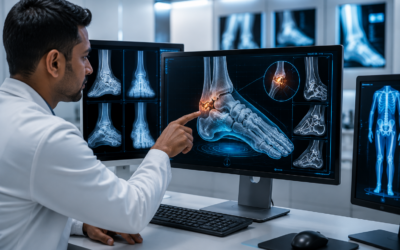
The symptoms of orthopaedic trauma depend on the injury location and severity. Severe pain, swelling, bruising, deformity, numbness, restricted movement, and an inability to bear weight are common signs that indicate serious trauma. Even mild symptoms may hide deeper internal injuries, especially in cases involving the spine, hip, knee, or shoulder. Orthopaedic specialists in Pune use X-rays, CT scans, and MRI scans to assess the full extent of the injury accurately.
How Orthopaedic Trauma Is Diagnosed
Accurate diagnosis is the foundation of successful treatment. Orthopaedic trauma centers in Pune follow a comprehensive protocol that includes physical examination, neurological assessment, and imaging studies. These modern diagnostic methods help detect fractures, dislocations, ligament tears, and soft tissue injuries. Proper diagnosis allows specialists to develop personalized treatment plans that ensure safe and predictable recovery.
Surgical and Non Surgical Treatment Options for Orthopaedic Trauma in Pune
Emergency Stabilization
The first and most important step is stabilizing the injured area. Specialists use splints, braces, and immobilization devices to reduce pain and prevent further damage.
Non Surgical Treatments
When the trauma is minor, treatment may involve casting, bracing, rest, and physiotherapy. Many reputed orthopedic brands in Pune provide high-quality casts and supportive devices that enhance comfort and healing.
Surgical Care for Complex Trauma
Severe trauma involving displaced fractures or multiple broken bones often requires surgery. Orthopaedic surgeons in Pune use advanced surgical methods for internal fixation, including plates, screws, rods, and other trauma care products. These implants help restore alignment and promote quicker healing. Minimally invasive techniques are preferred today, as they reduce blood loss, pain, and recovery time.
Fracture Management and Joint Trauma Care
Fracture management is a key component of orthopedic trauma care. While minor fractures can be treated with casting, complex fractures of the hip, wrist, ankle, or spine usually require surgical fixation. Joint trauma such as knee dislocation, shoulder instability, and ligament tears requires specialized care. Many orthopedic centers in Pune now use arthroscopy to treat soft tissue injuries more accurately. The use of branded orthopedic implants improves long term outcomes and enhances recovery.
Role of Rehabilitation in Recovery
Rehabilitation is essential after orthopedic trauma. Physiotherapy helps restore normal movement, build strength, improve flexibility, and reduce pain. Pune offers several specialized rehabilitation centers that provide customized programs for accident injuries, sports trauma, and postoperative recovery. Proper rehabilitation significantly speeds up healing and reduces the risk of future injuries.
Preventing Orthopedic Trauma
Although it is impossible to prevent all accidents, several steps can reduce the risk of orthopedic trauma. Wearing proper sports protective gear, practicing safe driving on Pune roads, using supportive footwear, maintaining bone health, and ensuring a safe home environment for seniors are practical preventive strategies. Being aware of nearby orthopedic emergency facilities also helps ensure timely action during critical situations.
Why Early Treatment Is Important
Delaying treatment can lead to deformity, nerve damage, stiffness, chronic pain, and long term disability. With advanced trauma care facilities, trusted orthopedic brands, and modern treatment products available in Pune, patients can expect better recovery outcomes. Early medical attention always leads to faster healing, better mobility, and stronger bone recovery.
Conclusion
Orthopaedic trauma requires timely diagnosis, expert treatment, and structured rehabilitation to achieve the best possible recovery. Anyone experiencing symptoms of trauma should seek immediate medical attention. For expert orthopaedic trauma treatment in Pune, you can consult At Dr. Ashish Suryawanshi’s Clinic, located at Lokmanya Hospital, Sector No. 24, Pradhikaran, Nigdi, Pune – 411044,
Recent Posts
-
 Walking by Dinner: The Shocking Reality of Same-Day Joint Replacement in 2026
 -
 AI-Driven Diagnostics: How Dr. Suryawanshi Spots Micro-Fractures That Traditional X-Rays Miss
 -
Robotic vs. Traditional: Is the Extra Cost Worth It for Your 20-Year Joint Longevity?
-
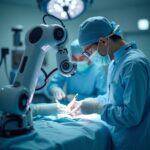 Beyond the Scalpel: Why Smaller Incisions in Robotic Surgery Lead to “Bounce-Back” Recovery
 -
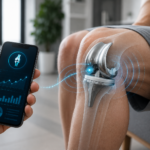 Smart Implants 2026: The Artificial Joints That “Talk” to Your Phone During Recovery.